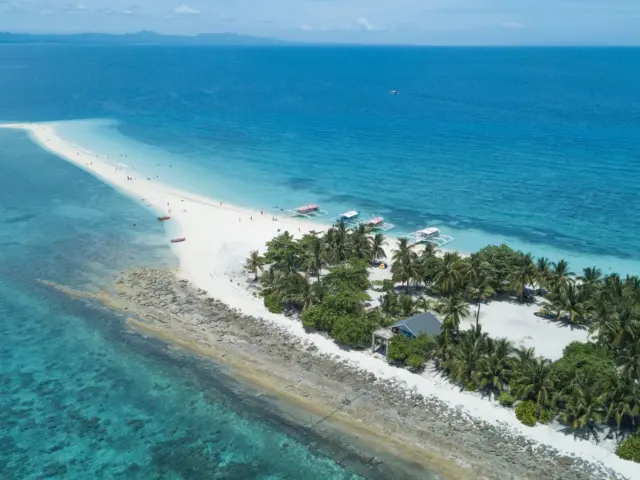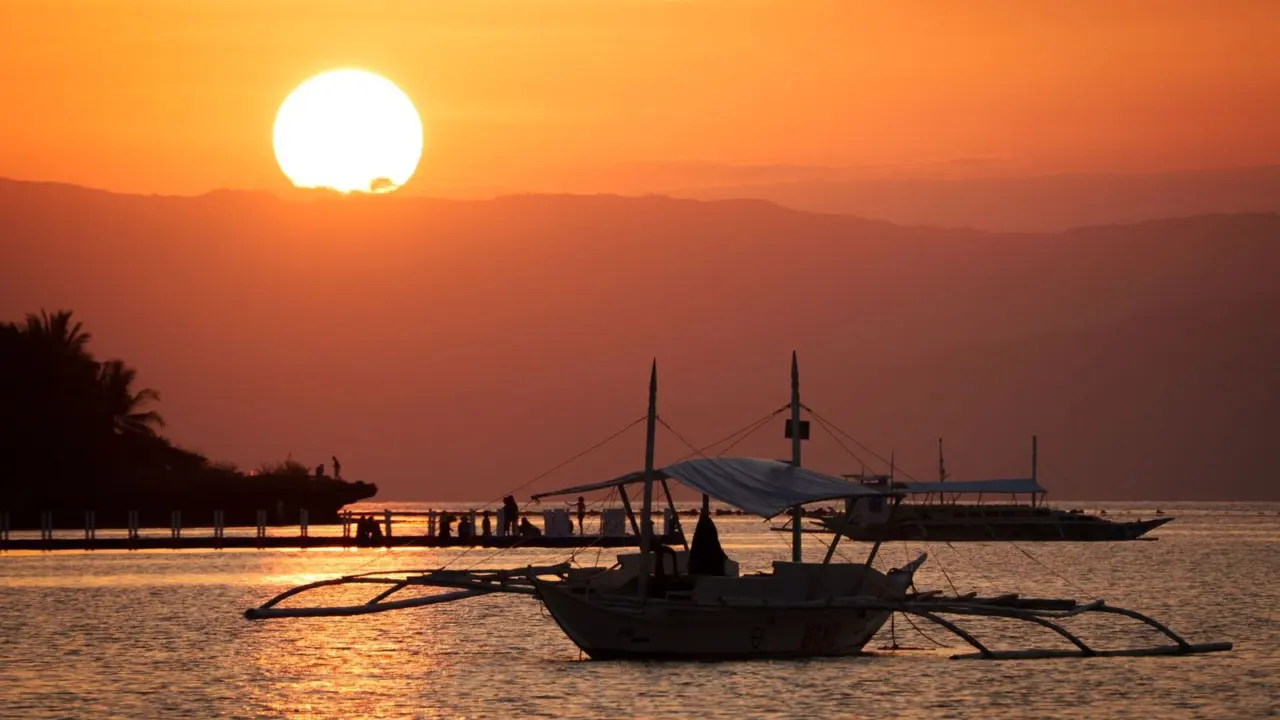
Good Philippines travel tips start with one fact: the country is an archipelago, so every trip becomes a chain of choices about weather, transport and pace. This guide covers entry basics, seasons, getting around, money, wildlife and festivals for first-time island visitors.
Travellers whose first stop is Bohol can continue with the full guide to bohol tourism after this overview, which keeps the view wide and leaves island-level detail to the pages linked along the way.
How the Philippines is laid out
The Philippines consists of approximately 7,641 islands, according to PhilAtlas, a reference site for Philippine geography. Only a fraction of them are visited by travellers, and an even smaller fraction have airports. That shapes everything else in a trip: distances on a map say little about travel time, because a short gap of open water can mean a boat schedule rather than a road.
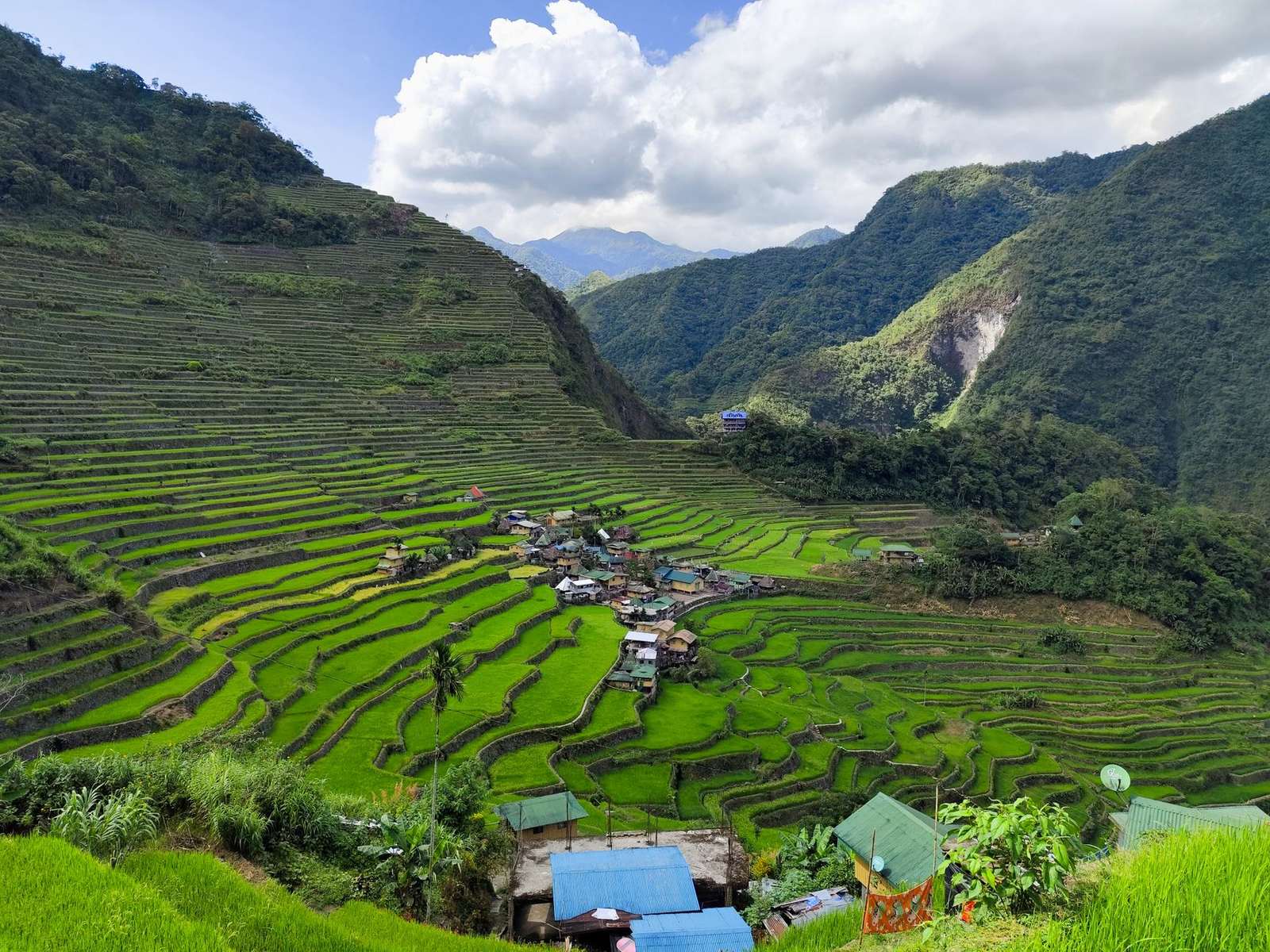
The same PhilAtlas country profile explains that the islands are grouped into Luzon, Visayas and Mindanao, with Luzon the largest island and Mindanao the second largest. Each group has its own character. Luzon holds the capital region, mountain provinces and the long rice-terrace landscapes of the north. Mindanao, in the south, is the second largest island and is spared direct hits from most of the typhoons that cross the country. The Visayas sit in the middle of the archipelago as a cluster of mid-sized islands separated by narrow seas, which is why they dominate first-time island itineraries. Cebu, Bohol, Negros, Panay, Leyte and Samar all belong to this group, along with many smaller islands and sandbars.
For a first trip, the sensible approach is to choose one island group and sample two or three bases in it, rather than racing across the whole country. Flying between Luzon, Visayas and Mindanao is possible and common, but each hop costs a half-day once airport transfers, check-in and baggage are counted. A Visayas-focused plan trades distance for variety: beaches, caves, hills, churches, reefs and food markets are all within a short ferry or van ride of each other.
It also helps to separate three kinds of place. Gateway cities such as Manila and Cebu City handle most international flights and are useful for arrival, supplies and onward connections. Mid-sized provincial capitals, such as Tagbilaran in Bohol, offer ports, banks, hospitals, pharmacies and markets. Beach and countryside bases offer scenery and quiet, but fewer services. A trip that touches all three tends to run smoothly because errands are done in the larger towns and the remote stretches are kept for rest.
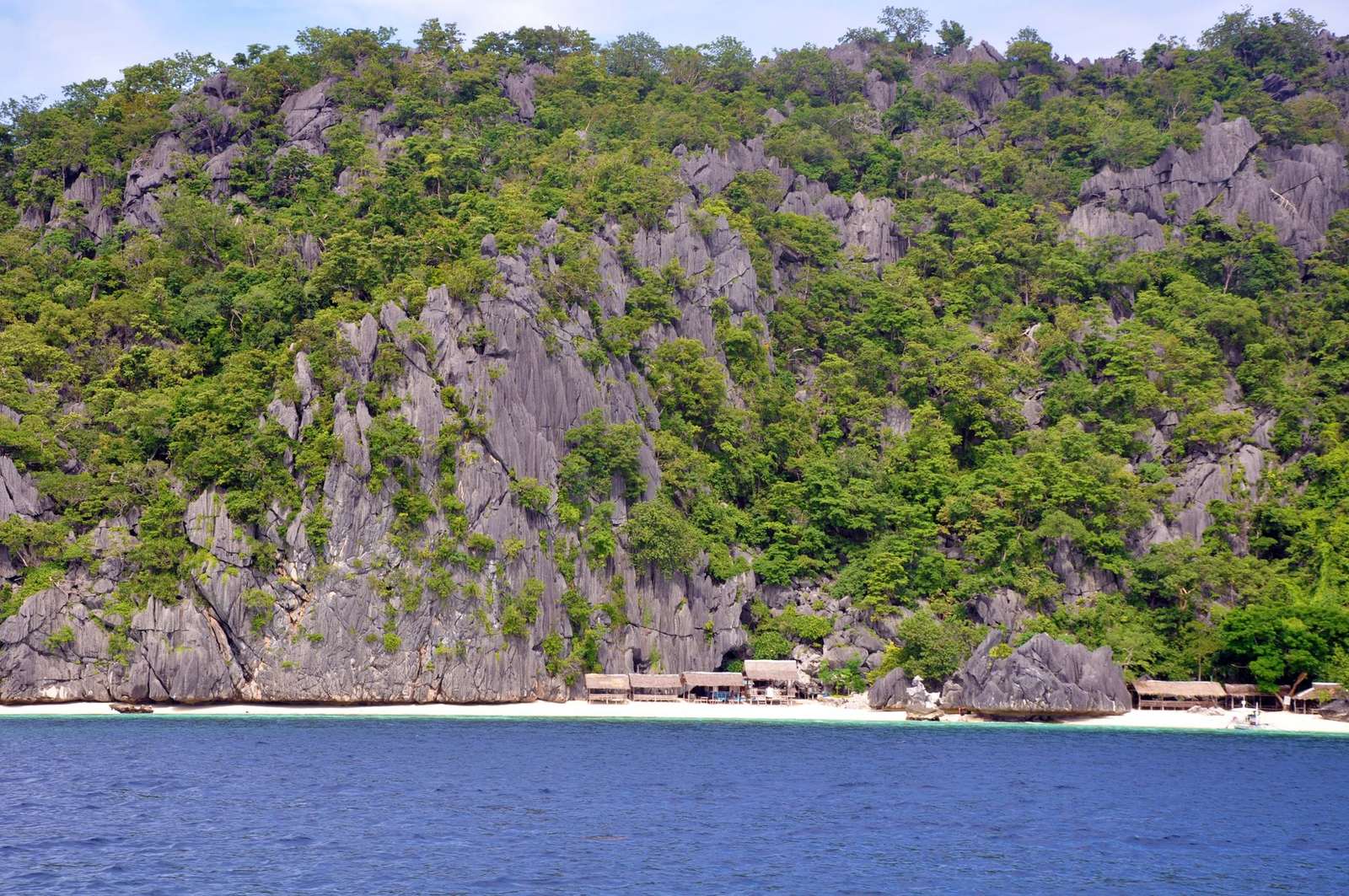
One more orientation point concerns language. Filipino and English are the country’s official languages, and English is widely used in tourism, signage and business. Local languages vary from island to island, with Cebuano common across the central Visayas, and a few words of greeting go a long way even where English works fine.
Entry rules and documents before departure
Entry conditions depend on nationality, and the Philippine Department of Foreign Affairs and the Bureau of Immigration set the rules. As a general reference point, the Philippine Embassy in Canberra lists a passport valid for at least six months beyond the intended period of stay among the minimum requirements for a temporary visitor’s visa, and the Bureau of Immigration describes an initial stay of 30 days for visitors admitted without a visa. Those figures are an orientation, not a promise: rules are revised, and the entry rule for a specific passport should be confirmed with the Philippine embassy or consulate that serves the traveller’s country before booking flights.
Airlines check passport validity at check-in, so the passport date is worth checking before anything is paid for. Onward or return travel documents are commonly asked for by airlines when a traveller arrives on a one-way ticket, which is a frequent surprise for people planning an open-ended island trip. Having a printed or saved copy of an onward booking avoids an argument at the counter.
Arrivals also use a government digital travel form. The Philippine government’s travel portal states that eTravel is FREE, which matters because look-alike websites sometimes charge fees for the same registration. Anyone who is asked to pay for a form that the official portal describes as free should stop and go back to the government site by typing its address directly.
Several practical steps belong in the weeks before departure:
- Confirm the passport’s expiry date against the entry rule for the traveller’s nationality.
- Complete the digital arrival registration from the government portal rather than from a link in an advert or a social media post.
- Carry copies of the passport photo page, flight bookings and accommodation addresses in a separate bag from the originals.
- Keep the details of the traveller’s own embassy or consulate in the Philippines in an easy-to-find place.
- Arrange travel insurance that covers delays and transport disruption, since schedules on a sea-and-air route can move with the weather.
Domestic flights and ferries add a second layer of paperwork: bookings made in a name that matches the passport, photo identification at the pier or airport, and luggage that fits the carrier’s rules. Small island boats and domestic carriers sometimes have tighter baggage allowances than international airlines, so a soft duffel or compact backpack is easier to handle than a hard suitcase on a pier.
Seasons, heat and typhoon timing
The Philippines is tropical and humid all year, and travel planning revolves around a rainy season and a dry season rather than spring, summer, autumn and winter. PAGASA, the national weather service, divides the year into the rainy season, from June to November, and the dry season, from December to May. The dry season splits further into a cool dry season, from December to February, and a hot dry season, from March to May.
| Period | Months | What it means for travellers |
|---|---|---|
| Rainy season | June to November | The wet months, when weather advisories matter most for sea and air schedules |
| Cool dry season | December to February | The cooler part of the dry season, with less heat than the months that follow |
| Hot dry season | March to May | The hot part of the dry season, when heat and humidity peak |
Season dates in the table come from the PAGASA description of the climate of the Philippines.
Heat and humidity deserve respect. PAGASA notes that, due to high temperature and the surrounding bodies of water, the Philippines has a high relative humidity, and that it is especially uncomfortable during March to May, when temperature and humidity attain their maximum levels. Practical consequences follow: sightseeing is easier early in the morning and late in the afternoon, indoor stops fit the middle of the day, and clothes that dry quickly are more useful than heavy fabrics.
Typhoons are the main weather risk to schedules. The weather service explains that typhoons have a great influence on the climate and weather conditions of the Philippines, and that their movements follow a northwesterly direction, sparing Mindanao from being directly hit by the majority of the typhoons that cross the country. For travellers, the lesson is not to avoid the rainy season entirely but to plan it with flexibility. A detailed look at timing, forecasts and what happens to flights and ferries sits in the guide to philippines typhoon season.
A few habits make weather disruption manageable. Build slack into the days before an international flight home, so that a cancelled ferry does not become a missed departure. Prefer refundable or changeable bookings on legs that cross open water. Follow advisories from PAGASA and the local coast guard rather than social media rumours, and accept that port authorities may close sea travel when conditions are unsafe. Boats that do not sail are doing their job.
Seasons also shape what is on offer. The dry months suit beach days, island hopping and cave visits; the rainy months suit travellers who want fewer crowds and are flexible about itinerary, particularly in the Visayas where the sheltered seas between islands can stay workable even when open-water routes are not. Neither season is wrong, and the better question is how much flexibility a particular trip can absorb.
Getting around between and on the islands
Moving around an archipelago means combining modes. Planes link the main hubs, ferries link neighbouring islands, and on each island a mix of buses, vans, jeepneys, tricycles and motorbike taxis covers the last stretch. The overview in the guide to philippines transportation explains each mode in more detail; the points below cover what first-time visitors tend to need first.
Within towns, the jeepney is the classic vehicle. Wikipedia’s article on the type describes it as the most popular means of public transportation in the Philippines, and notes that it is the cheapest way to commute in the country. Because jeepney drivers can stop anywhere unlike buses, boarding is informal: passengers wave one down, pass fares forward and signal when they want to get off. Routes are marked on the vehicle, and learning to read the route boards in a city is part of the experience. Jeepneys do not suit travellers with bulky luggage or tight schedules, but for short trips they offer local colour at low cost.
Tricycles, which are motorcycles with sidecars, handle short hops in towns and villages, and motorbike taxis known as habal-habal operate where roads are narrow or hilly. Negotiating the fare before boarding, where meters are not used, avoids misunderstandings. Vans and buses suit the longer overland legs, and in the Visayas these often connect to ports where roll-on roll-off ferries load vehicles and passengers together.
Sea crossings are where most first-time visitors need guidance. Fast passenger craft and slower vehicle ferries both operate on busy routes, and the right choice depends on the schedule, the weather and the amount of luggage. A step-by-step look at one of the most popular crossings appears in the guide to the cebu to bohol ferry, which covers the ports on both sides and the way crossings fit into a wider route. The same approach applies elsewhere: arrive at the pier early, keep identification handy, and confirm the day’s departures with the operator rather than relying on an old timetable.
Combining several islands in one trip is the signature Philippine itinerary, and it works best when routes follow geography rather than fighting it. The guide to visayas island hopping shows how Bohol, Cebu and Siquijor can be linked with short crossings, and it explains why a small number of bases is better than a new hotel every night. Each change of base uses a morning or an afternoon, and that is time not spent on the beach or in the hills.
Some further transport habits help:
- Keep a few small bills and coins for jeepney fares and tricycle rides, since drivers rarely have change for large notes.
- Share the day’s plan with the accommodation, which can often arrange a trusted driver or van for longer routes.
- Leave a buffer between a ferry arrival and any flight, because docking times can slip.
- Download offline maps before leaving a city, as mobile coverage thins out on smaller islands and in the hills.
Money, language and everyday etiquette
The country’s money is simple in principle and fiddly in practice. The Philippine peso is the official currency of the Philippines, and it is subdivided into 100 sentimo, also called centavos. Prices on tour boards, restaurant menus and fare signs appear in pesos, and carrying local cash is essential outside large towns. The guide to the philippine peso covers notes, ATMs and card use in more depth.
A workable approach is to withdraw cash in a main city or provincial capital, where banks and ATMs are plentiful, and to keep a reserve in small denominations for markets, jeepneys, tricycles, entrance fees and small eateries. Cards are accepted at larger hotels, malls and some restaurants, but small island businesses often run on cash only. Machines can run out of notes or be offline, so it is wise not to arrive on a small island with an empty wallet and an assumption that an ATM will be waiting.
Entrance fees, environmental fees, boat rentals and tour prices change often and vary by operator, so published figures go stale quickly. Rather than relying on a number in an old article, it is better to ask the operator or the local tourism desk for the current rate and to confirm what the fee includes. Written quotes, receipts and agreement on the price before a boat leaves the shore prevent most disputes.
Etiquette in the Philippines is warm and relationship-based. Greetings matter, politeness is expected, and “po” and “opo” are respectful words added to sentences when speaking with elders or people in authority. Using them signals courtesy even when the rest of the conversation is in English. Showing respect to older people, removing shoes when entering a home, and dressing modestly in churches and rural communities are all appreciated. Beachwear belongs on the beach and at resorts, not in churches, government offices or town centres.
Patience is also part of local culture. Service may be unhurried, and schedules sometimes shift. Raising a voice or showing visible impatience rarely helps and can cause offence. A smile, a calm repeat of the request and a willingness to wait tend to get better results than pressure. When a problem does come up, local tourism offices and the accommodation host are usually the quickest source of help.
Street food and market meals are a pleasure of travel here. Rice is the base of most meals, and grilled meats, fish, soups and noodles, plus tropical fruit and sweets, fill out the table. Each region has its own specialities, and asking locals what a town is known for is a reliable way to find them. Bottled water is widely sold, and travellers who want specific health guidance should rely on their own doctor or the health advice published by their government, rather than on a general travel page.
Wildlife and reefs: seeing nature without harming it
Nature is one of the main reasons to visit, and it comes with responsibilities. The Philippines lies inside the Coral Triangle, a marine region that includes the waters around Indonesia, Malaysia, Papua New Guinea, the Philippines, Solomon Islands, and Timor-Leste. The same page records that the Coral Triangle contains more than 76% of the world’s shallow-water reef-building coral species, which explains why snorkelling and diving rank among the country’s top attractions. The guide to philippines coral reefs explains how the system works and what threatens it.
Reef etiquette is straightforward. Snorkellers and divers should not stand on or touch coral, should keep fins away from the bottom, should not collect shells or coral, and should not feed fish. Reef-safe sun protection and a rash guard reduce the need for heavy sunscreen in the water. Anchoring on live coral damages the reef, and visitors can ask boat operators about mooring buoys and marine-sanctuary rules before the trip. If a guide or operator encourages touching, chasing or feeding animals, choosing a different operator is the responsible response.
Whales, dolphins and whale sharks are best watched at a respectful distance. Ethical operators keep boats at a distance, do not chase or block the animals, and follow marine-mammal and whale-shark guidelines. Swimming alongside whale sharks and feeding them are practices that conservation groups discourage because they alter natural behaviour. A good rule for any marine encounter is that the animal sets the terms, and the visitor stays calm and passive.
On land, the most famous small animal is the tarsier. The Philippine tarsier is found on the islands of Bohol, Samar and Leyte, and it is a nocturnal animal with huge eyes adapted to night vision. The same article states that many activities associated with captivity, such as camera flashes, being touched, and being kept in an enclosure, stress the animal. That is the basis for the etiquette that responsible sanctuaries follow: no touching, no flash photography, quiet voices and a safe distance. A sanctuary is maintained in the town of Corella, Bohol, and species background appears in the page on the philippine tarsier.
The tarsier case shows how to judge any wildlife attraction. A good site keeps animals in natural habitat, limits visitor numbers, forbids handling and flash, and explains conservation. A poor site lets visitors hold animals, pose for photographs, or crowd an enclosure. Tickets bought at the second type of place reward the wrong behaviour. Asking about the rules before paying costs nothing and often makes the choice obvious.
Forests, caves and mangroves need the same restraint. Staying on marked trails, carrying out rubbish, keeping noise down and leaving plants, rocks and shells where they are protect places that locals depend on for income. Many sites are managed by communities or local governments, and entrance fees support that management, so paying the posted fee is a direct contribution to conservation.
Fiestas, culture and a sensible first itinerary
Festivals are woven through the Philippine calendar. Almost every town and barangay honours a patron saint with a fiesta, and large cities host big street celebrations with music, dance and processions. The overview of philippine fiesta traditions explains how patron saints, church services, food and community gatherings fit together. Visiting during a fiesta can be rewarding, but it also means busier transport, fuller accommodation and some closures, so booking early and arriving with realistic expectations are wise.
Respectful behaviour at festivals is simple. Ask before photographing people at close range, follow instructions from organisers at religious events, and treat processions and church services as acts of devotion rather than as stage shows. Visitors are often welcomed warmly, and being invited to share food is common. Accepting politely is part of the courtesy.
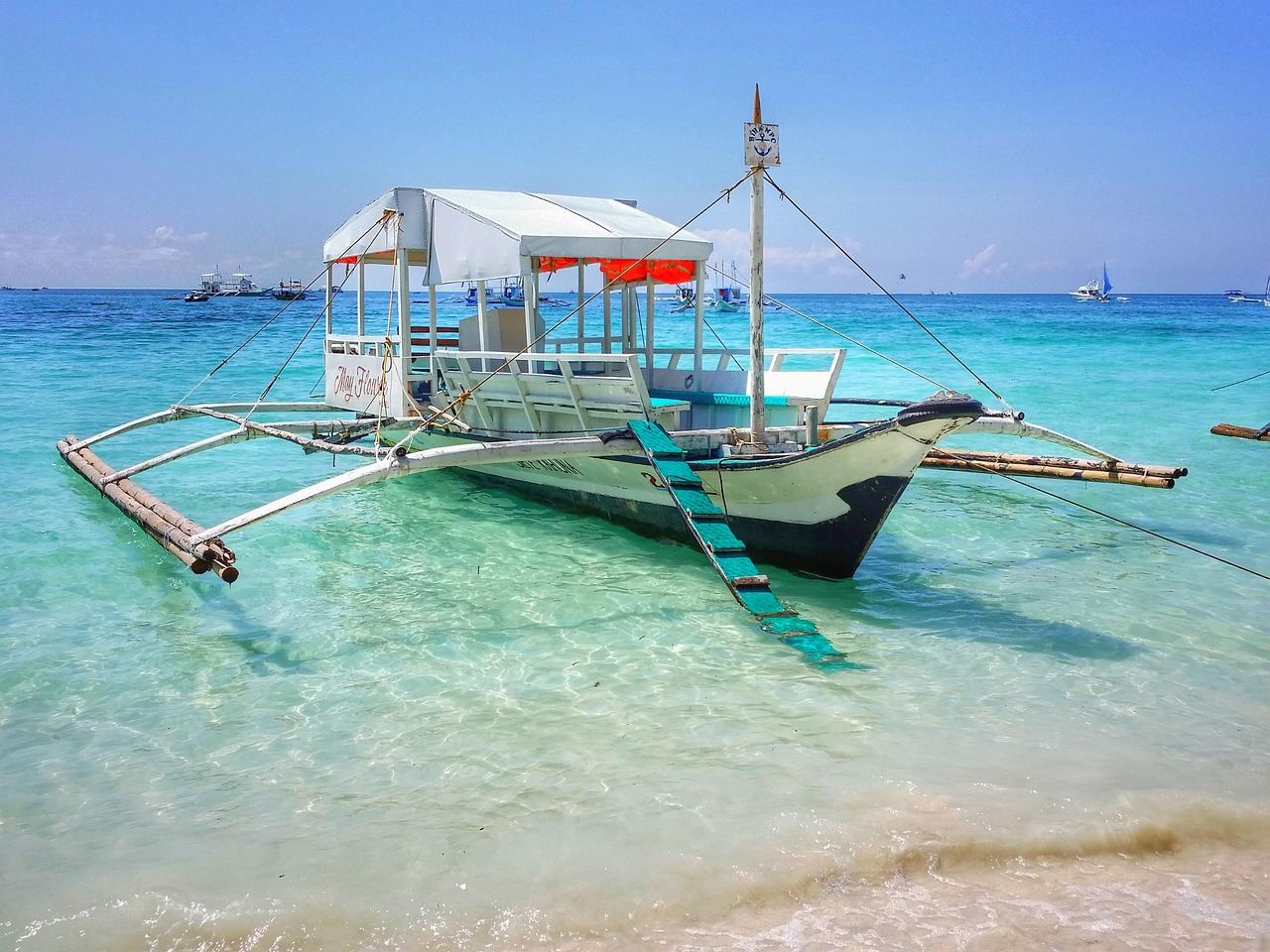
Pulling the advice together, a first itinerary does well when it follows a few rules. Pick one island group, usually the Visayas for a first visit. Choose two or three bases rather than five. Arrive in a gateway city, move to a quieter base, and keep a buffer day before flying out. Travel in the dry months where possible, and treat the rainy months as a time for flexible plans. Carry cash in small denominations, keep documents organised, and treat wildlife and reefs with restraint.
Bohol makes a natural first base because it combines many of these themes in one island. It has a provincial capital with services, a well-known beach area, rivers, caves, hills, churches and wildlife sites, and it connects to Cebu by sea and to Manila by air. A good place to start planning is the guide to things to do in bohol, which groups the island’s main sights by type so that a route can be built around geography and interests.
This site is an independent travel guide. It is not affiliated with any government office, tourism board, tour operator, resort or sanctuary, it takes no bookings and it sells no tours. Fees, schedules and opening hours change, so the best source for a current figure is the operator or the relevant local office, ideally confirmed shortly before the trip.
Frequently asked questions
Is the Philippines suitable for first-time travellers in Asia?
Yes, with realistic planning. English is widely used in tourism, the main routes are well established, and the Visayas offer short, varied hops between islands. The main adjustments are building slack into schedules for weather and ferries, and carrying enough cash for places where cards are not accepted.
What are the best months for a first island trip?
PAGASA describes a dry season from December to May, with a cooler stretch from December to February and a hotter stretch from March to May. Many first-time visitors favour the cooler dry months for sightseeing and beach days, while the rainy season from June to November calls for flexible plans.
Do visitors need to register before arriving?
Arrivals use the government’s digital travel form, and the government portal states that eTravel is free. Entry rules differ by nationality, so the traveller’s embassy or consulate is the right place to confirm requirements.
How should wildlife such as tarsiers be treated?
Wildlife should be watched, not handled. Tarsiers are nocturnal and easily stressed, so touching and camera flashes are best avoided, and sanctuaries that enforce those rules are the better choice. Marine animals should be observed from a distance and never fed.
Is cash still needed?
Yes. Cards work in larger hotels, malls and restaurants, but small islands, markets, jeepneys and tricycles generally run on pesos. Withdrawing cash in a main town and keeping small denominations for daily costs is the usual approach.