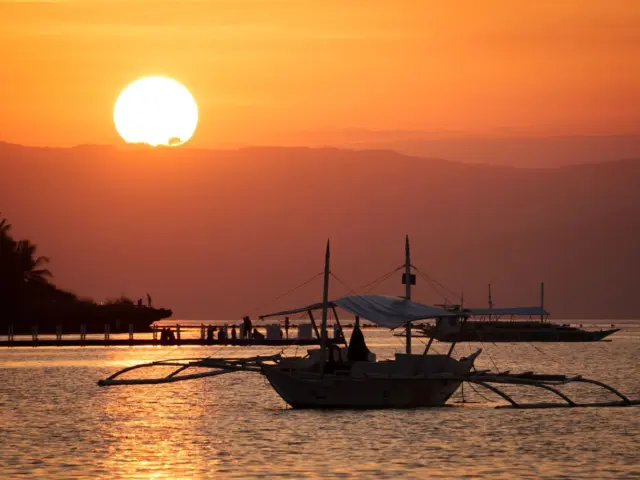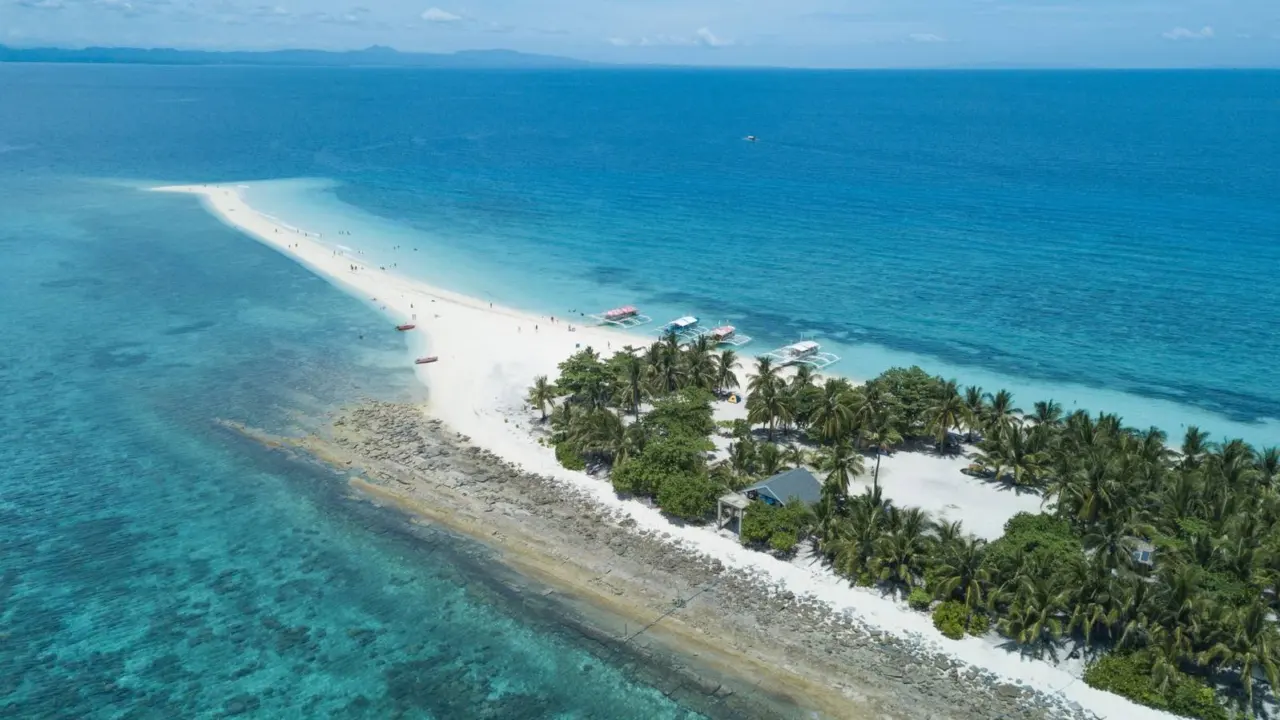
Visayas island hopping links Cebu, Bohol and Siquijor through short sea crossings and a few flights, and it works best as a loop with one base per island, planned around ports and weather.
This is an independent travel guide, not run by the Bohol provincial government, the tourism office or any tour operator. For the wider planning picture, see the guide to philippines travel tips.
What the Visayas covers, and where Siquijor fits
The Visayas is one of the three principal geographical divisions of the Philippines, along with Luzon and Mindanao, and it sits in the middle of the archipelago. For a visitor the name mostly means a cluster of islands that can be strung together by boat, which is why the region suits a multi-island trip better than a single-destination holiday.
The administrative map matters when reading older guides. Central Visayas now consists of the island provinces of Cebu and Bohol plus the cities of Cebu, Lapu-Lapu and Mandaue, because Siquijor moved out of the region in June 2024. The same encyclopaedia entry on the island notes that Siquijor was transferred from Central Visayas to the Negros Island Region, which also takes in Negros. A travel plan does not change because of that, but a listing that still files Siquijor under Central Visayas is out of date.
Geography ties the three islands together more tightly than the paperwork does. The Cebu Strait separates Bohol from Cebu, and Siquijor lies south of Cebu across the Cebu Strait, southeast of Negros, southwest of Bohol and north of Mindanao. Read as a map, that is a rough triangle, with Dumaguete on Negros as a useful fourth corner.
Cebu: the usual gateway
Most island-hopping routes start in Cebu because of its air links. Mactan-Cebu International Airport is the second busiest airport in the Philippines, so arrivals from Manila and from abroad usually land there before heading to the smaller islands.
The province is large by island-hopping standards. It consists of the main island and 167 surrounding islands and islets, so even a Cebu-only trip can mean several different sea journeys. On the main island, the heritage core of Cebu City is the easiest part to combine with a transfer day. Magellan’s Cross houses a Christian cross planted by the Spanish expedition on April 21, 1521, and the neighbouring Santo Niño Basilica was originally founded by Augustinian friars in 1565 and is described as the oldest church in the country.
Those two sites sit side by side, which makes them a realistic stop for a few hours before a ferry or a flight, rather than a reason to stay for days. Travellers who want mountains, canyons or whale-shark tours in Cebu tend to treat that as a separate trip, because those activities lie far from the city and depend on road and sea conditions.
Bohol: the middle stop
Bohol is the easiest island to add to a Cebu trip. The province has its own airport, and Bohol-Panglao International Airport is less than an hour’s flight from Mactan-Cebu International Airport. The same page describes it as the first eco-airport in the Philippines. For the sea route, the guide to the cebu to bohol ferry covers ports and crossings in more detail.
Once on Bohol, two bases cover most itineraries. Panglao Island, located just southwest of Tagbilaran, is famous for its diving locations, so it suits beach and reef days, while the mainland interior holds the hills, the river and the wildlife sites that fill a day tour. A short Bohol stop usually means picking one of those two rather than trying to cover everything.
The practical reason Bohol sits in the middle of a loop is its position. From Tagbilaran, the route south across the Bohol Sea leads toward Siquijor and Negros, so the island works as a hinge rather than a dead end.
Siquijor: the quiet southern island
Siquijor is the smallest of the three and the quietest. It has a land area of 343.5 square kilometres, so the coastal road around the island can be covered in a day or two without much planning.
The island carries an old nickname. In the colonial period the Spaniards called Siquijor the Isla del Fuego, or Island of Fire, due to the glow of fireflies that swarmed the molave trees. Its reputation for folk healing is also well known: Siquijor has long been associated with pre-Spanish traditions centered around self-help, mysticism, shamanism, and natural healing rituals, and the local tourism industry promotes that heritage. Visitors who want to take part are best served by treating it as a cultural experience and choosing carefully who they pay.
Sights on Siquijor are mostly natural or historical. Among the most popular natural attractions are Cambugahay Falls and the centuries-old Balete, both located in Lazi, and Mount Bandila-an, Siquijor’s highest mountain, has a natural park and butterfly sanctuary at the center of the island. The Lazi church is also on a heritage track: the same page records that in 2006 the government added it as an extension to the Baroque Churches of the Philippines World Heritage Site, with the inscription still pending.
Moving between the islands
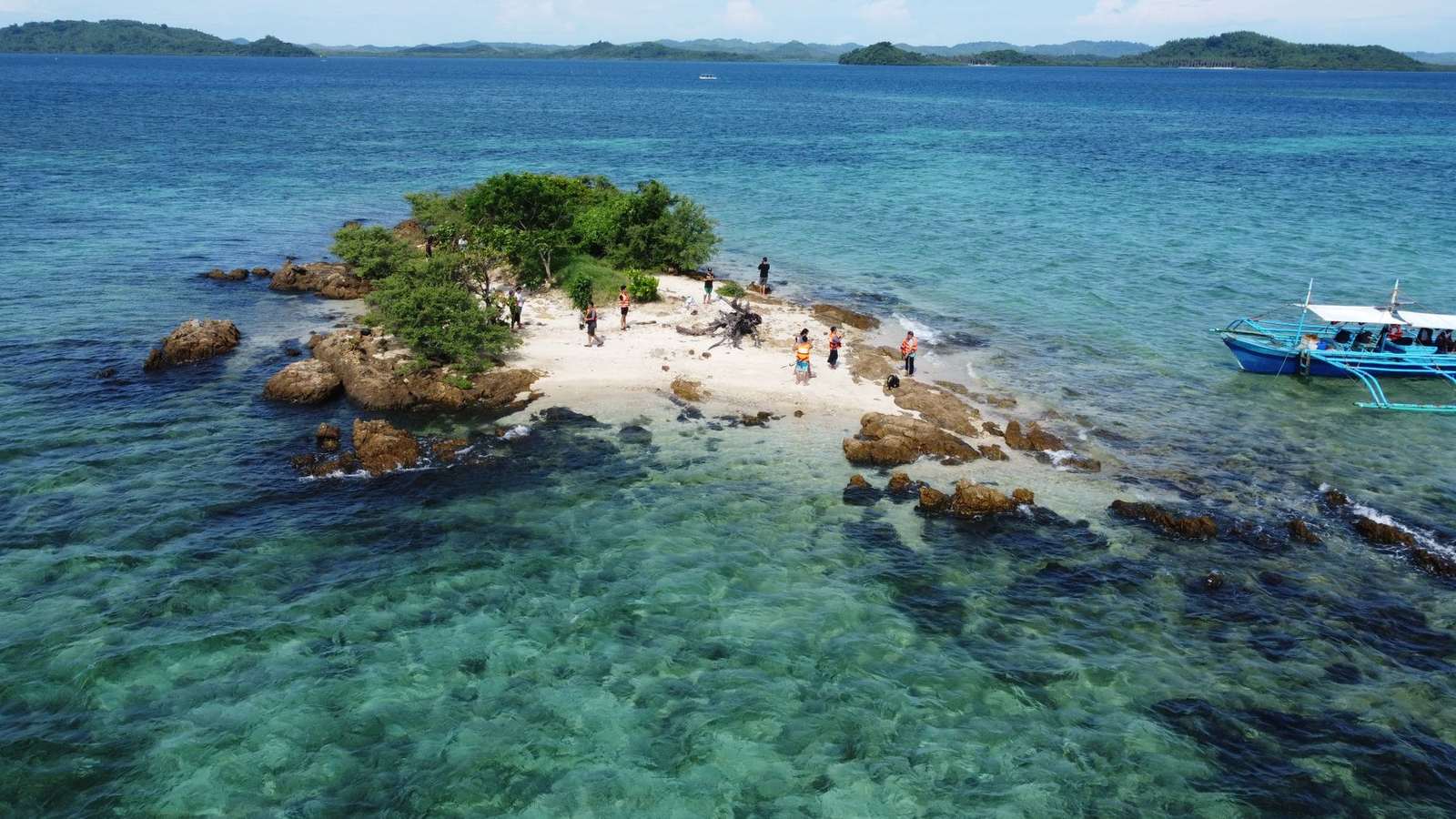
Siquijor is mostly a sea destination. Its airfield is capable of handling smaller and mostly privately-owned airplanes, so most visitors arrive by boat. The island has two public seaports, the Port of Siquijor and the Port of Larena, and the destinations linked to those ports include Dumaguete, Tagbilaran and Cebu City.
Dumaguete is the other piece of the puzzle. Its domestic airport, Dumaguete-Sibulan Airport, means a loop can end with a flight instead of retracing the sea route, and the city’s waterfront looks out over Dumaguete Bay and the neighboring islands of Cebu and Siquijor.
Ferry operators, timetables and fares change often, and many sailings are cancelled in rough weather. A guide like this cannot give reliable times, so confirm departures with the port or the carrier close to the travel date. Three habits make crossings less stressful:
- Leave a buffer day before any flight home, so one cancelled sailing does not cost a ticket.
- Travel between ports in the morning where possible, because afternoon departures leave less room to recover from delays.
- Carry essentials in a small bag, so a late transfer does not depend on a luggage handler.
Weather and timing for an island loop
Sea travel makes weather a bigger issue than it is on a single island. The national weather service divides the year into a rainy season from June to November and a dry season from December to May, which gives a rough guide to when crossings are calmer.
Storms are the larger risk. Tropical cyclones affecting the Philippines occur during the months of May to November, but storms sometimes occur in all months. A cyclone can cancel ferries for days, so an itinerary with tight connections is fragile in those months. The guide to philippines typhoon season explains how storm warnings affect travel, and travellers in the wetter months can reduce the risk by keeping the route short, using fewer separate sea legs and holding flexible flights.
Sample loops
The same three islands can be combined in more than one order. Two shapes cover most trips:
- Cebu, Bohol, Siquijor, Dumaguete: fly into Cebu, cross to Bohol, continue south to Siquijor and finish by flying out of Dumaguete. This avoids backtracking and suits travellers who have time for the Siquijor leg.
- Cebu and Bohol only: one crossing or one short flight, with Panglao as the beach base and a day or two inland. This is the lower-risk version in the wetter months.
In either case, one base per island beats changing hotel every night. Packing and unpacking cost more time than the extra distance saves, and a base also gives somewhere to leave luggage while taking a day trip.
Frequently asked questions
Which Visayas islands are easiest to combine?
Cebu and Bohol are the easiest pair, because the Cebu Strait is short and Bohol also has its own airport, which is less than an hour’s flight from Mactan-Cebu according to the airport’s encyclopaedia entry. Siquijor takes more planning because it is mostly reached by sea.
Is Siquijor part of Central Visayas?
Not any more. It was transferred to the Negros Island Region in June 2024, so older guides that list it under Central Visayas are out of date.
Can Siquijor be reached by plane?
Siquijor has an airfield that handles smaller and mostly privately-owned airplanes, so most travellers use the sea ports at Siquijor or Larena, often via Dumaguete, Tagbilaran or Cebu City.
When is the weather best for hopping between islands?
The dry season, which PAGASA dates from December to May, is the more settled stretch for sea crossings. Tropical cyclones are most likely from May to November, so tight connections are riskier then.
Does a ferry or a flight work better between Cebu and Bohol?
Both work. A flight is quicker, while a ferry connects the port towns directly. Sailing times and fares change, so confirm them with the operator near the travel date.