Philippines transportation runs on shared road vehicles and boats: jeepneys for short hops, tricycles for local lanes, air-conditioned vans for longer corridors, and ferries between islands. Each mode follows its own local rules.
This guide explains how the main modes work and how they fit together. For wider trip planning, see the philippines travel tips hub for first-time island visitors.
Jeepneys: The Shared Ride Behind Most Short Trips
The jeepney is a type of public utility vehicle that serves as the most popular means of public transportation in the Philippines. Its history goes back to the end of the war, when U.S. military jeeps left over from the war became the template for the vehicle. The name itself is a portmanteau of the post-war “jeep” and the pre-war “jitney”.
The classic layout puts passengers on two long parallel benches facing each other behind the driver. Newer assembly-built units are longer, and the high-capacity versions can carry up to eighteen passengers, according to the encyclopedic account of jeepney design.
Jeepneys are not a free-for-all. Routes are regulated and fares are fixed, and unfranchised operators are known as “colorum” operations. A visitor should treat the route painted or signed on the side of a jeepney as the guide to where it goes, and ask the driver or a fellow passenger when the destination is unclear.
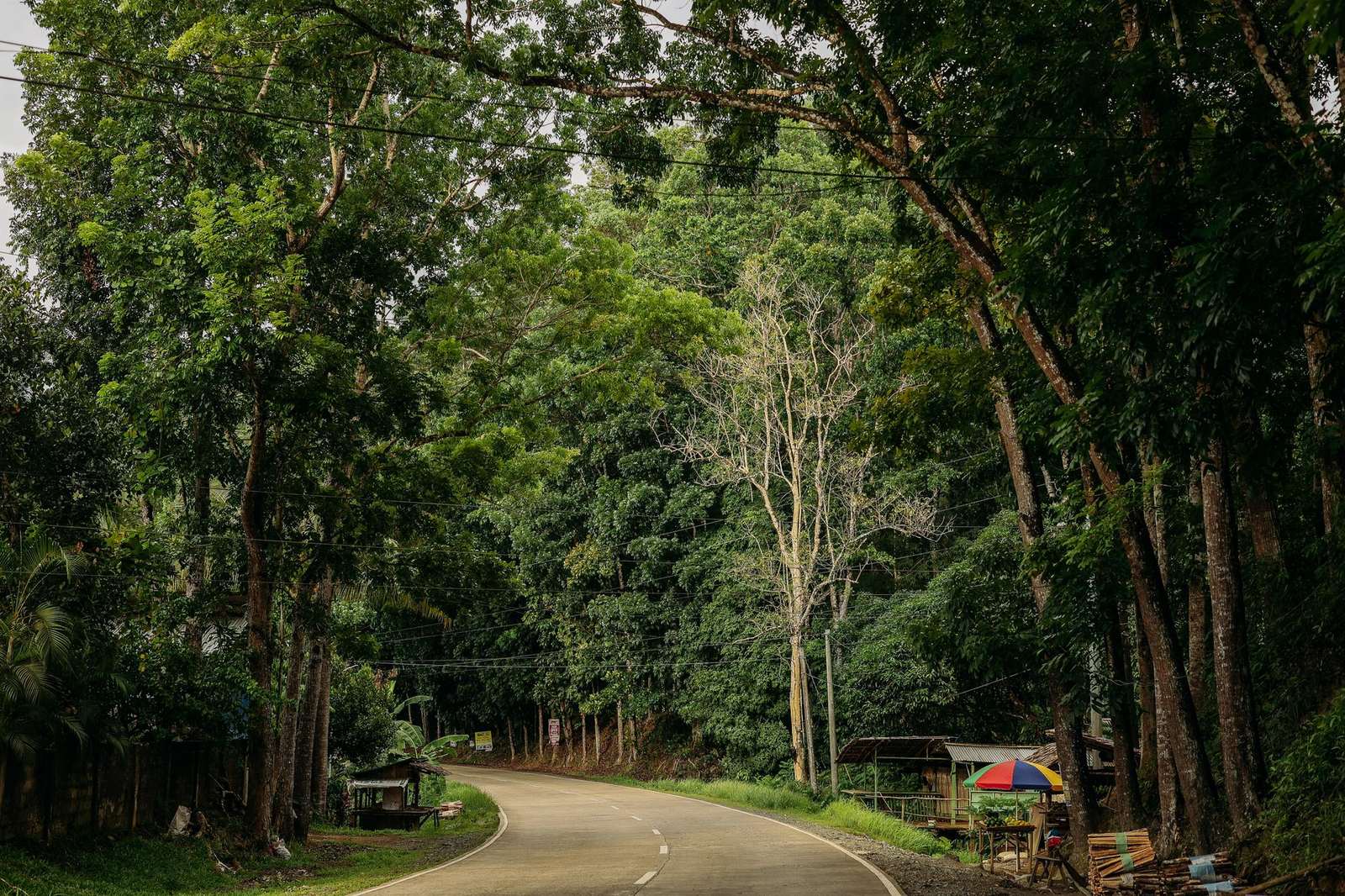
The look of the vehicle is changing. A national modernization programme was launched by the Department of Transportation in 2017, and it calls for replacing public utility vehicles that are at least 15 years old. Replacement vehicles must meet a Euro 4 engine standard or run on an electric motor, and drivers and operators are required to join or form transport cooperatives. As a result, many modern jeepneys now resemble regular minibuses, with air conditioning and side doors.
Tricycles and the Rules That Differ by Town
In the Philippines a tricycle is a motorcycle with a passenger sidecar attached. The type is one of the most common means of public or private transportation, especially in rural areas, and it fills the gaps that jeepneys do not reach. Tricycles evolved from motorcycles with sidecars used during the Second World War and are not derived from rickshaws, so they differ from the factory-built tuk-tuks of neighbouring countries.
How a tricycle is used depends on the town. Some operate on a set route, and others work as for-hire vehicles like a taxi. Inside cities they often act as shared taxis, with each passenger paying for the distance travelled. For longer journeys or in areas with heavy tourism, a driver will usually ask the passenger to hire the whole tricycle and negotiate a “special fare”, which makes the ride a private hire. Agreeing the fare before boarding avoids confusion later.
Because local governments regulate them, tricycles are also restricted in places. Some cities enforce a ban on national highways, which means a highway stretch may call for a jeepney or van instead. In wet weather the sidecar is completely enclosed in a heavy plastic covering, which keeps the cab dry in rain.
Motorcycles also serve as taxis, where the service is commonly referred to as an angkas. Riders should check what rules the town applies before relying on one.
Vans and Buses on Longer Overland Legs
For corridors between towns, the usual alternatives are vans and buses. The UV Express system is a license to operate utility vehicles, particularly vans, as an alternative mode of public transport. It sits alongside the jeepney as one of the two kinds of share taxi in the country. The Land Transportation Franchising and Regulatory Board holds the franchise, and the vans are air conditioned and usually seat 10–18 passengers. In Metro Manila they use their own passenger terminals, mostly at central business districts.
Buses carry the heaviest long-distance load on land. They are, after ferries and airlines, the next primary mode of long-distance transportation, and provincial services serve medium to long-haul routes between cities and towns, including those involving ferries. Private companies run them, and routes, operations and fares are regulated by the Land Transportation Franchising and Regulatory Board. City bus networks exist in the three metropolitan areas of Metro Manila, Metro Cebu and Metro Davao.
Schedules, operators and terminals shift often, so this guide names none. For a specific trip, the regulator, the municipal tourism office and the terminal itself are the sources to use, and any timetable should be read with its date in mind.
Ferries, Pump Boats and the Nautical Highway
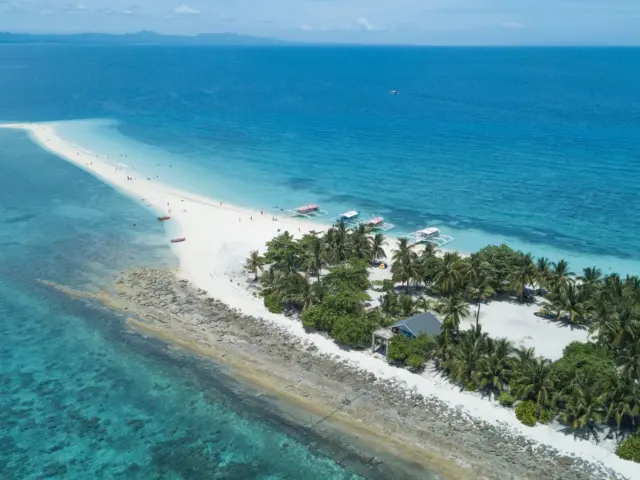
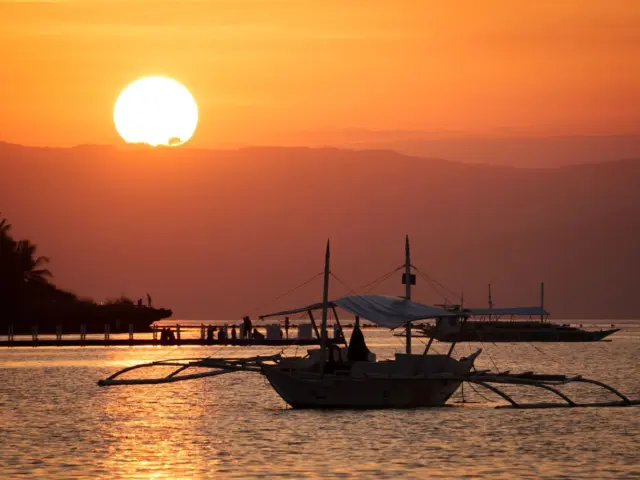
The archipelago has over 7,600 islands, so boats are not optional. Motorized and non-motorized boats are the primary mode of water transportation between islands, and the native bangka is also used for fishing, transporting goods and island-hopping tours. Ferry ships range from large cargo ships to small pump boats. Some trips last a day or two on large overnight ferries, while crossings such as the one between the Caticlan jetty port and Boracay can take less than 15 minutes on small open-air pump boats.
Government has tried to join the islands into one network. The Philippine Nautical Highway System is an integrated network of highway and vehicular ferry routes that connects Luzon, the Visayas and Mindanao. The 919-kilometer nautical highway was opened to the public on April 12, 2003. The roll-on/roll-off ferries it relies on carry vehicles, and the ferry segments accept walk-aboard passengers as well as vehicles. The route covers Cebu and Bohol among other Visayan provinces, and Tagbilaran is one of the cities with a busy port.
The sea link that matters most for Bohol is covered in the cebu to bohol ferry guide, which treats ports and crossing arrangements in more detail. Boats also give access to marine areas, and the philippines coral reefs article explains what travellers can expect when island-hopping over reef.
Putting the Modes Together on a Trip
Most journeys combine several of these modes. A traveller might take a tricycle to a terminal, a van or bus to a port, and a ferry to the next island. The nautical highway makes the same logic explicit: provincial bus routes include ferry crossings, and private vans can be hired over individual road segments.
Fares are a place where these modes behave differently. Jeepney and UV Express fares are regulated, tricycle fares are set locally and often agreed before the ride, and taxis are required to carry a taximeter, which is mandatory in every cab. Because published amounts change, it is best to check the current rate with the regulator or the local government rather than to rely on a remembered figure.
Travel time also depends on the sea leg. Crossings range from short pump-boat hops to overnight ferry trips, so the road legs on either side are best planned around the boat.
Frequently asked questions
What is the most common way to get around in the Philippines?
The jeepney is described as the most popular means of public transportation in the country. Tricycles fill the same role in small towns and rural areas.
Are tricycles available everywhere?
Tricycles are common, especially in rural areas, but each local government regulates them. Some places restrict them on national highways, so a tricycle may not be an option for a highway stretch.
Can foreign visitors use the ferries?
Yes. Ferry segments on the nautical highway accept walk-aboard passengers as well as vehicles. Check the current schedule with the port or operator before travelling, because timetables change.
What is a UV Express van?
It is a franchised van service that works as an alternative to the jeepney. The vans are air conditioned and often work from dedicated terminals.
Is this the official transport guide for the Philippines?
No. This is an independent travel guide. Official information on franchises and fares comes from the regulator, and sea transport rules come from the maritime authority.