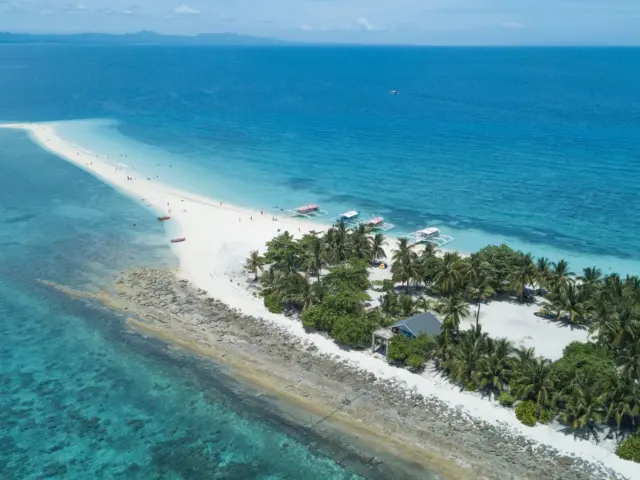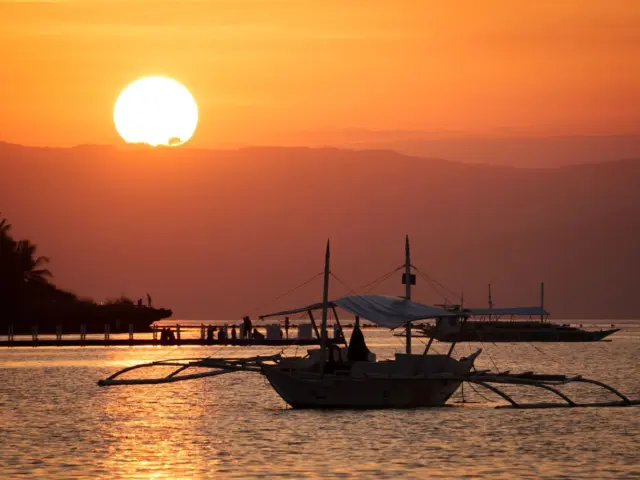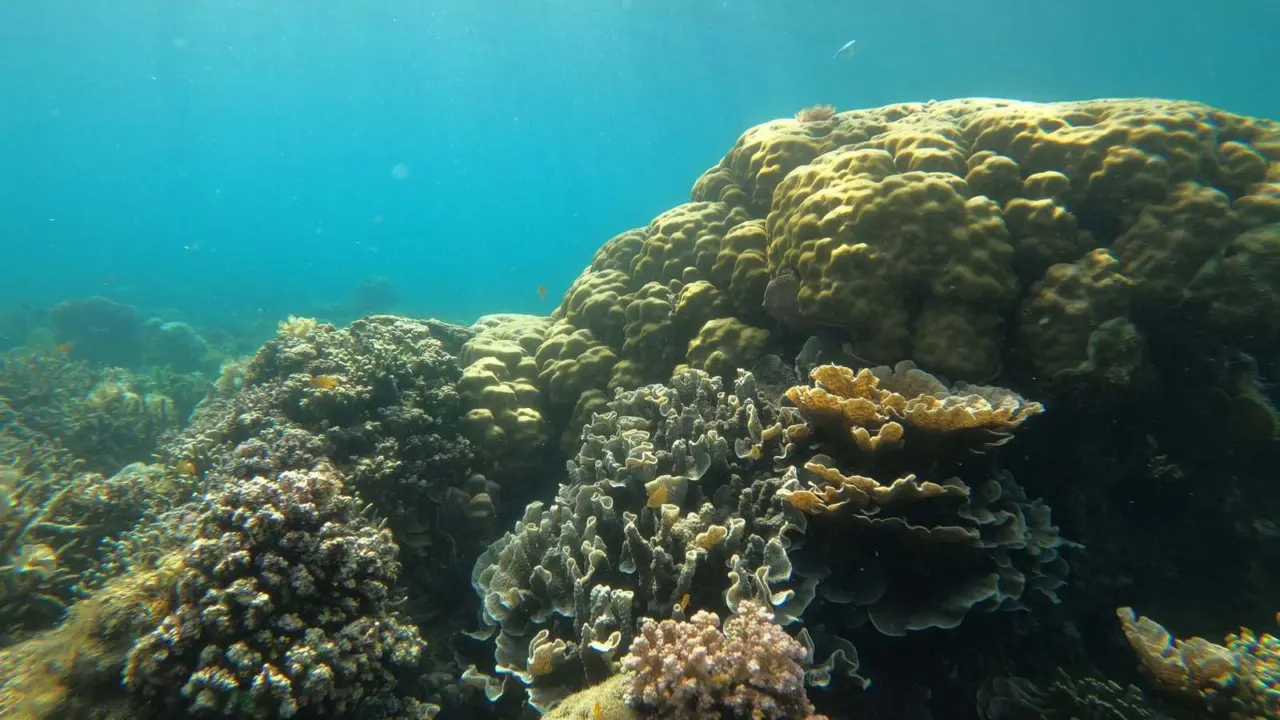
Philippines coral reefs belong to the Coral Triangle, a marine region that holds over 75% of all known coral species. A national survey found most sampled reefs in poor or fair condition, so careful visiting matters.
This page covers where the reefs sit, how scientists describe their health, and how to behave around them. The broader planning checklist for island trips is in the guide to philippines travel tips.
The Coral Triangle and where the Philippines fits
The Coral Triangle Initiative on Coral Reefs, Fisheries and Food Security is a multilateral partnership of six countries: Indonesia, Malaysia, Papua New Guinea, Philippines, Solomon Islands, and Timor-Leste. The partnership was launched in 2009, and the same source describes the region as the “epicenter of marine life abundance and diversity on the planet”, sometimes nicknamed the Amazon of the seas. Besides its coral species, the region holds 53% of the world’s coral reefs and over 3,000 fish species, according to the partnership’s own description.
The Philippines therefore sits inside the world’s richest reef region, and its own reefs vary in form. A fact sheet from the World Resources Institute, dated February 2011, places 28 percent of the global reef total (almost 70,000 km2) in Southeast Asia. Fringing reefs predominate across insular Southeast Asia, and the same fact sheet names the extensive Palawan Barrier Reef in the Philippines as an example of a barrier reef in the region.
| Measure | Figure | Scope |
|---|---|---|
| Share of known coral species | Over 75% | Coral Triangle |
| Share of the world’s coral reefs | 53% | Coral Triangle |
| Coral species recorded | 360 | Tubbataha Reefs Natural Park |
| Marine park area | 130,028 ha | Tubbataha Reefs Natural Park |
The Coral Triangle figures come from the CTI-CFF description of the region, and the Tubbataha figures from the IUCN World Heritage Outlook page for the park.
Tubbataha Reefs Natural Park: the best-documented reef
Tubbataha is the reef most often used to show what a well-protected Philippine reef can look like. The IUCN World Heritage Outlook lists the site as inscribed in 1993, and says the marine park covers 130,028 ha, including the North and South Reefs. It describes the park as a unique example of an atoll reef with a very high density of marine species, and the North Islet as a nesting site for birds and marine turtles.
The coral count is the headline. Per the same IUCN page, Tubbataha supports 360 species of corals, which it puts at almost 90% of all coral species in the Philippines and 72% of the corals worldwide. That concentration is why the site is treated as a benchmark when reef managers compare other areas.
Access to the park is controlled, and visitors follow strict handling rules. A Philippine Coast Guard reminder reported in The Philippine Star on March 1, 2015, said that divers are not allowed to fish, use spears, touch corals or harvest sea clams and other marine creatures, and that divers can only take pictures. Enforcement is not simple: the IUCN assessment says illegal fishing from communities in mainland Palawan and nearby Visayas provinces remains an issue at the park’s outer boundaries.
Danajon Bank, the double barrier reef beside Bohol
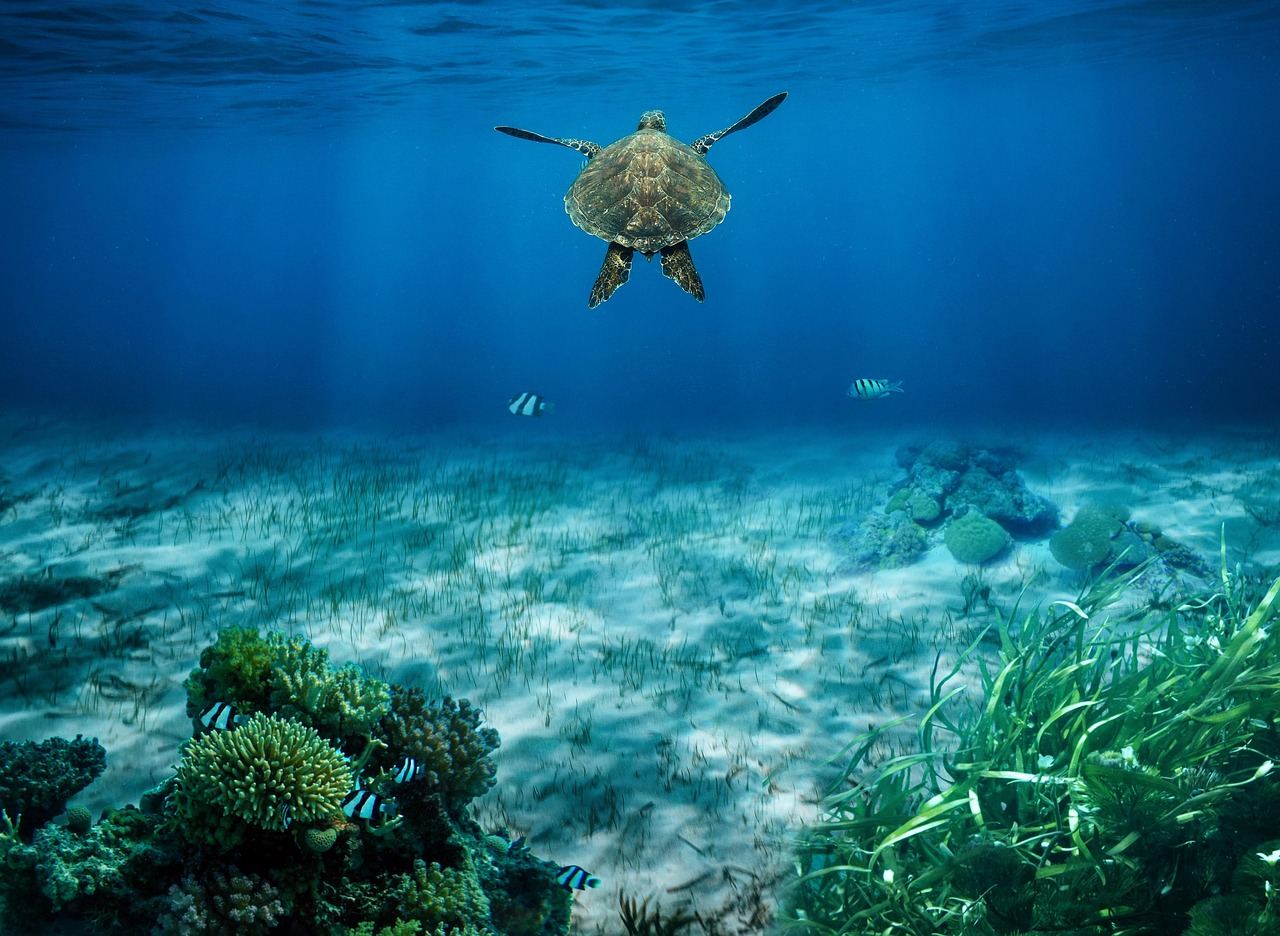
Bohol’s northern waters hold a reef system of a different kind. The Coastal Conservation and Education Foundation (CCEF), a Philippine marine conservation group, describes Danajon Bank as the Philippines’ only Double Barrier Reef. The foundation launched its Protect Danajon Project in Talibon, Bohol, on August 30, 2023, with the stated aims of reinforcing governance structures, deepening community involvement and promoting environmentally responsible practices.
Local government has a formal role. The Provincial Government of Bohol reported that the Bohol Danajon Bank Double Barrier Reef Management Council held its first regular meeting on July 6, 2023, with representatives of the 10 municipalities that have jurisdiction over Danajon. The agenda covered preparations for the reef to be declared a protected seascape.
For travellers, the point is that Bohol’s reefs are not only dive-site backdrops. They are working fishing grounds and the subject of an ongoing protection effort, which is a reason to use licensed boat operators, follow local marine-sanctuary rules and avoid shortcuts through shallow reef areas.
How healthy are Philippine reefs?
The most useful single yardstick is the nationwide assessment published in the Philippine Journal of Science in 2017. Its authors, led by A. M. Licuanan, used data gathered from 2015 up to 2017 at 166 stations across 31 provinces. None of the stations were classified as excellent on live coral cover, and more than 90% were in the poor and fair categories. Average hard coral cover, weighted by reef area, was 22%. The authors read this as a marked decline in the condition of local reefs and called for updated conservation and management policy.
Even the best-protected reef is under pressure. The 2025 IUCN outlook for Tubbataha, finalised on 11 October 2025, rates the site “good with some concerns”. Within that assessment, the coral cover in shallow areas has been declining by 1.2% per year because of typhoons, bleaching and eutrophication, while deeper areas have been stable. Bleached hard coral per site in 2024 ranged from 0.04% to 43% at depths of 5-7 meters, with the eastern sides of the reefs showing less bleaching than the western sides.
The regional picture explains why local pressure matters. The World Resources Institute fact sheet reports that 95 percent of Southeast Asian reefs are at risk from local threats such as coastal development, marine-based pollution and damage, overfishing and destructive fishing, and watershed-based pollution. Among the protected areas it rated, 69 percent were classified as not effective. It also points to Apo Island in the Philippines, where communities have benefited for almost 30 years from increased fish catches because of a strict no-take zone.
Visiting a reef without damaging it
The Philippines has its own no-touch rule at Tubbataha, and the same principles apply at any reef. The most detailed public visitor guidance comes from the United States, where the NOAA Florida Keys National Marine Sanctuary publishes tips for divers and snorkellers; the reef biology is the same, so the advice transfers. The sanctuary warns that even a minor brush with hands, fins, or gear can damage delicate coral animals.
- Do not touch or stand on coral. NOAA’s guidance says to never stand or rest on corals. A snorkeller who needs to adjust equipment should lie on the back or float in a seated position, or return to the boat.
- Watch the fins. NOAA notes that fluttery fins can stir up sand and smother corals, so kicks should stay clear of the bottom.
- Do not feed or chase marine life. The guidance reads “Do not touch, handle, feed, or chase marine life”, because interaction can stress animals and disrupt feeding and mating.
- Leave everything in place. Even dead coral, rocks and shells are part of the ecosystem, and NOAA asks visitors to leave them where found.
- Keep a comfortable distance. The same page recommends staying away from the reef and shallow areas, and choosing entry and exit points that avoid reef.
Local rules can be stricter than general guidance, so boat crews and park offices set the final standard on the day. Visitors who follow them help keep the reefs that tourism depends on in working order.
Planning a reef trip around the calendar and the boats
Reef sites away from the shore are reached by boat, and local events can change plans for the day. Town celebrations are a good example, and they are covered in the guide to Philippine fiesta culture. Getting to a coastal departure point often combines ferries, vans and tricycles, which the guide to Philippines transportation explains in more detail.
Survey results are snapshots in time. The national figures above describe the period when the data were gathered, and the IUCN outlook for Tubbataha was finalised in 2025, so a figure should always be read together with its date.
Frequently asked questions
What is the Coral Triangle?
It is the marine region shared by Indonesia, Malaysia, Papua New Guinea, the Philippines, Solomon Islands and Timor-Leste. The CTI-CFF says the region has over 75% of all known coral species.
Which Philippine reef is a UNESCO World Heritage Site?
Tubbataha Reefs Natural Park, which the IUCN lists as inscribed in 1993. Its page records 360 coral species at the site.
Are most Philippine reefs in good condition?
The 2015 to 2017 sampling reported in the Philippine Journal of Science found none of its 166 stations in the excellent category, with more than 90% in the poor and fair categories. That finding refers to the stations sampled, not to every reef.
Is it acceptable to touch coral or feed fish on a snorkelling trip?
No. The NOAA sanctuary guidance says not to touch, handle, feed or chase marine life, and the Philippine Coast Guard has reminded Tubbataha divers that they can only take pictures.