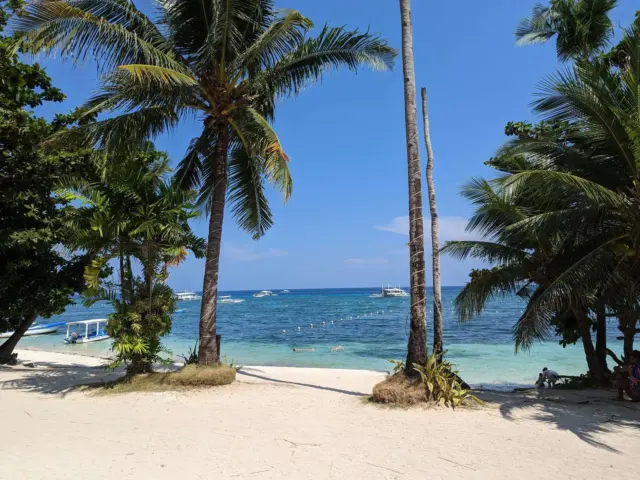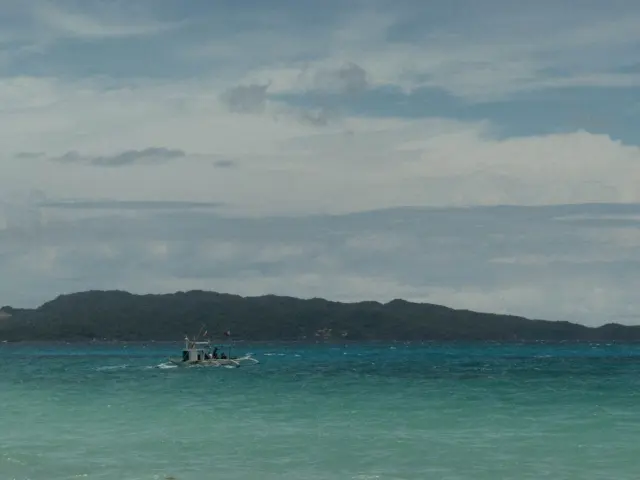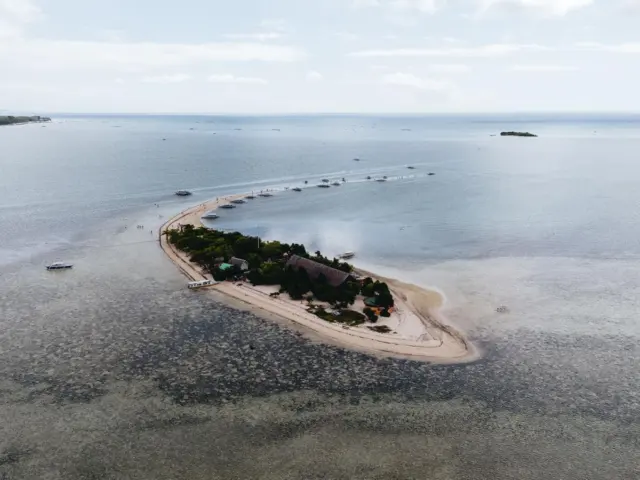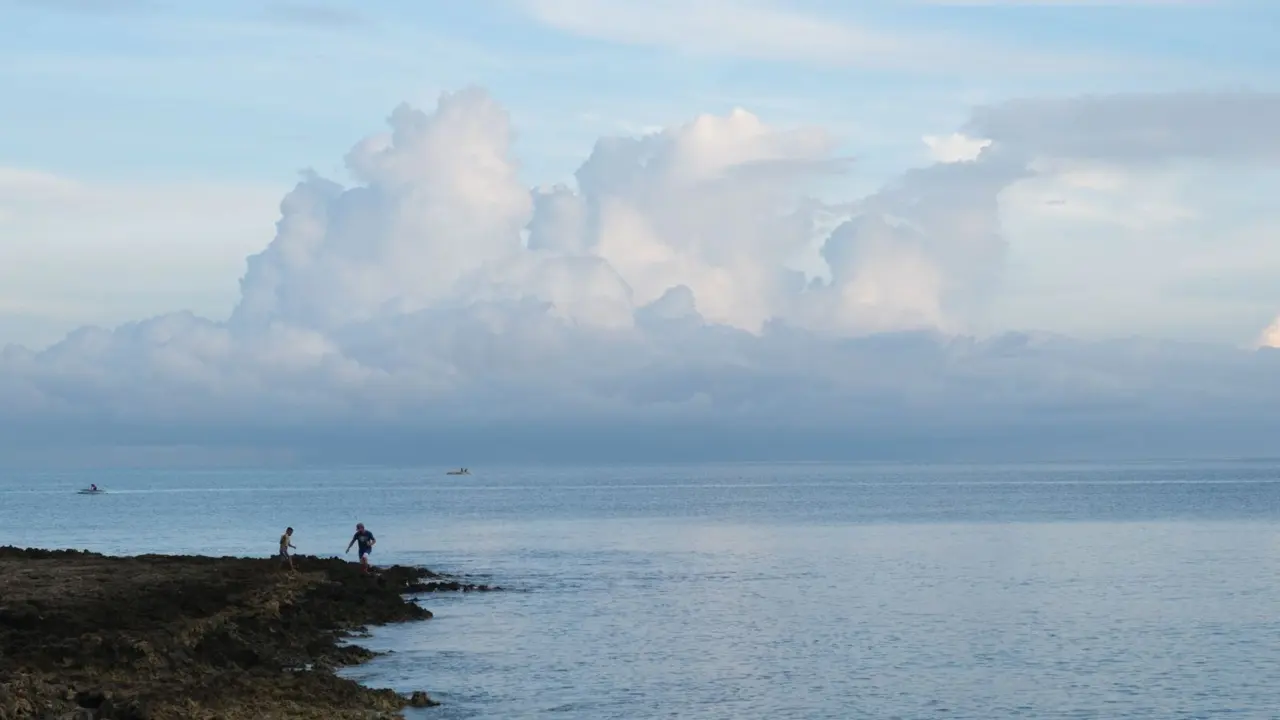
The best time to visit Bohol for most travellers is the national dry season, which PAGASA dates from December to May. The wetter months bring green hills, quieter beaches and softer rates.
This is an independent travel guide, not run by the Bohol provincial government, the tourism office or any tour operator. For the wider picture of the island, see the guide to bohol tourism.
Bohol’s seasons at a glance
The Philippine weather service splits the national year into a rainy season from June to November and a dry season from December to May, with the dry season divided into a cool part from December to February and a hot part from March to May, according to PAGASA’s climate summary. Bohol follows that outline loosely, but the island has its own twists, because sea conditions and monsoon winds shape a trip as much as rainfall does.
| PAGASA period | Typical pattern | What it means for a trip |
|---|---|---|
| Cool dry season: December to February | Cooler and drier | Pleasant on land; Christmas and New Year are among the busiest weeks of the year |
| Hot dry season: March to May | Hot and humid, with temperature and humidity at their maximum | Early starts and shade matter; the Chocolate Hills turn browner as the dry season goes on |
| Rainy season: June to November | Wetter, with tropical cyclones most likely in the months from May to November | Green interior and lower rates, but boat trips become more weather-dependent |
The table follows the national outline from PAGASA, and the table does not add month ranges from any other source.
Why Bohol has no tidy dry season
A single wet and dry switch does not describe the island well. One travel guide notes that Bohol does not divide neatly into a dry season and a wet one, and an encyclopaedia entry on the province goes further: it can rain any day of the year, with a higher chance of heavy showers from November to January.
The practical reading is that a visit in any month can include a shower, and a visit in the “dry” months can include a few grey days. PAGASA places the cool dry season from December to February, so the early part of the dry season is the gentler stretch for walking, viewpoints and long road days.
Heat is the trade-off of the late dry season. The national weather service notes that March to May is the most uncomfortable stretch, when temperature and humidity reach their maximum. Midday on an unshaded viewing deck or a boat can feel punishing in those months, so early starts and plenty of shade matter more than they do in January.
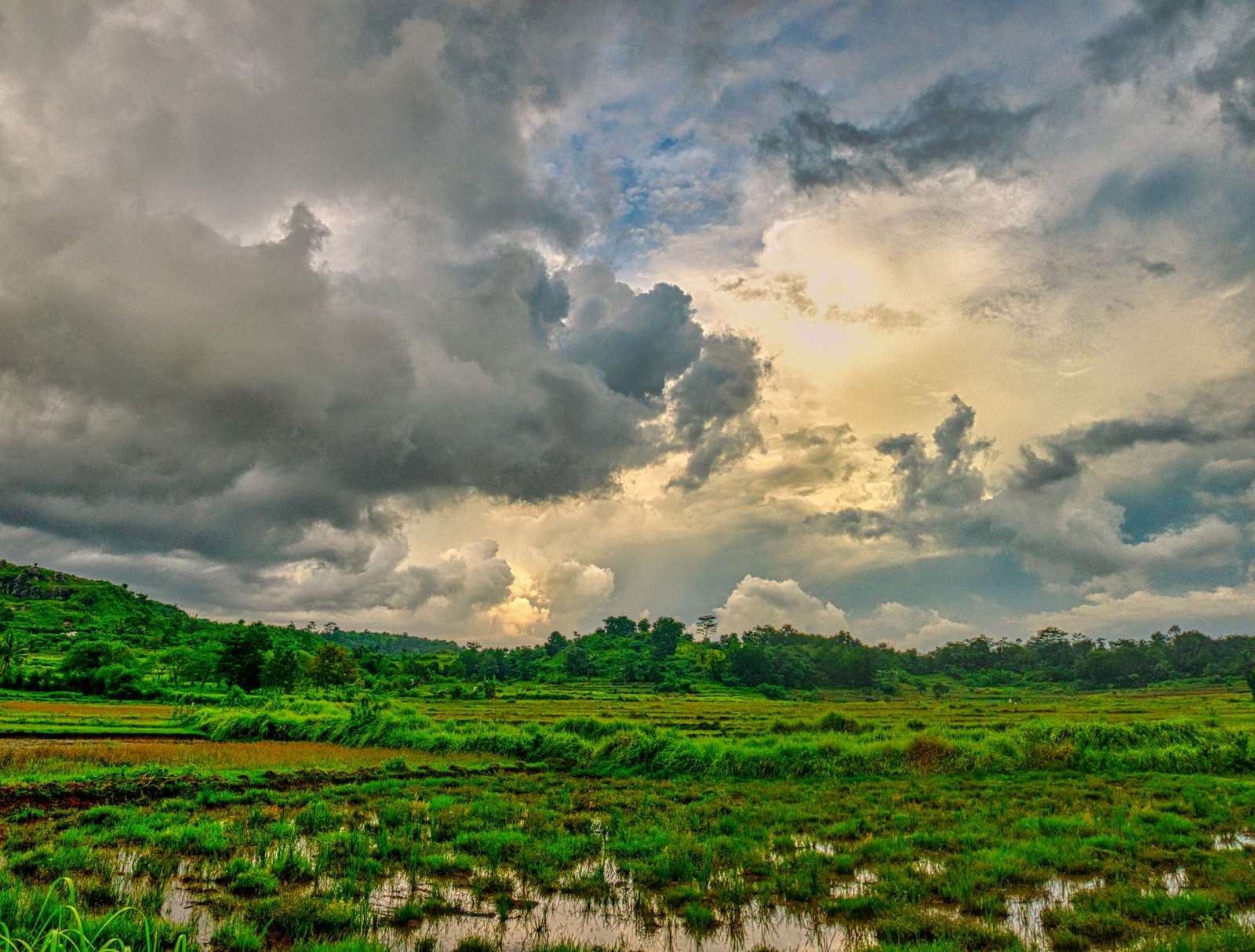
During the rainy season the pattern changes. The interior looks its best then, with full rivers and green hills. The coast is the part that gets difficult.
Sea conditions matter more than rain
Many visitors plan around rainfall, yet boat trips decide most itineraries. The same weather guide points out that almost every cancelled Bohol activity is cancelled for sea state, not for rain. A bright, windy morning can keep small outrigger boats ashore, while a grey, calm one often runs without a problem.
That is why the calendar matters beyond rain. The amihan, or northeast monsoon, brings cooler air but also wind across the water, so crossings to small islands such as Balicasag or Pamilacan are called off more often in the cooler months than newcomers expect.
The southwest monsoon pushes swell onto the south-facing coast of Panglao in the wetter months, so exposed dive sites and island-hopping mornings become weather-dependent. Anyone building a trip around the water should keep a few land-based days free as a fallback, and should book flexible operators during those months.
Marine wildlife follows its own rules regardless of season. Dolphin and whale watching works best when operators keep a respectful distance from the animals, and no one should touch, chase or feed wildlife. Sightings are never guaranteed, whatever the month, and a calm sea improves the odds of a good morning but does not promise one.
Chocolate Hills: green or brown?
The island’s best-known landscape changes colour with the weather. The hills are covered in green grass that turns chocolate-brown during the dry season, which explains the name. Visitors who want the brown hills should aim for the dry season, which PAGASA dates from December to May, and for the later part of it; those who prefer a lush look can come in the wetter months.
Early in the dry season the hills can still be green from the wet months, so a trip at the start of it can show a very different scene from one near the end. Neither version is wrong; it depends on whether the photograph or the cooler air matters more.
Festivals and holidays that shape the calendar
Dates on the cultural calendar affect crowds, ferry loads and room availability almost as much as the weather. The Sandugo Festival is the best known. The provincial tourism site explains that the celebration was first held in March and later moved to July to coincide with Tagbilaran Charter Day on July 1 and Bohol Day on July 22. That makes July a month-long cultural window in Tagbilaran, with parades, pageants and a street-dancing competition.
The event commemorates a historic pact. Under Republic Act 9093, March 16 of every year is a working special public holiday for Tagbilaran and the province, known as Blood Compact Day. The Act describes the event it marks as a blood compact between Datu Sikatuna and the Spanish expedition, the first treaty of friendship and alliance between Spaniards and Filipinos, dated March 16, 1565 in the law’s text.
Peak travel periods follow the national holiday calendar. One guide describes Christmas and New Year as among the busiest and most expensive weeks of the Bohol year, and Holy Week and the school holidays are the other busy periods. For options on where to sleep during busy weeks, see the guide to where to stay in bohol.
Typhoons and storm risk
The Philippines sits in a busy cyclone region. PAGASA states that tropical cyclones form in the western North Pacific, including near the Philippines, during the months of May to November, but storms sometimes occur in all months.
That does not make the island immune. Typhoon Rai, known locally as Odette, struck the country in December 2021 and caused the greatest deaths in Bohol province. The storm shows that late-year cyclones are possible. Travel insurance that covers cancellations and delays is sensible for any visit, especially during PAGASA’s cyclone months of May to November, and storms can still occur outside them.
For live information, the tracks, bulletins and warnings published by the national weather service are the right place to look, and the airline or ferry operator announces any schedule changes. Disruption to flights and sailings can ripple through a trip, so a spare day at the end of an itinerary helps. For routes and transport planning, see the guide on how to get to bohol.
Choosing a month by trip type
- Diving, snorkelling and island hopping: any month can work with a flexible plan, because trips are cancelled for sea state far more often than for rain.
- Brown Chocolate Hills: the dry season, which PAGASA dates from December to May, and especially the later part of it, when the grass has dried out.
- Green scenery and lower rates: the rainy season, which PAGASA dates from June to November, when rates soften noticeably outside the Philippine holiday weeks.
- Cultural events: July, for the Sandugo Festival in Tagbilaran.
Whatever the month, a flexible plan works best. Pair water activities with inland alternatives, leave buffer days around flights and ferries, and treat the forecast as a guide rather than a promise.
Frequently asked questions
What is the best month to visit Bohol?
Most visitors aim for the dry season, December to May (PAGASA). March to May is the hot part of it, when heat and humidity peak, so the cool dry months from December to February suit travellers who dislike heat.
Does Bohol have a rainy season?
PAGASA describes a national rainy season running from June to November. In Bohol, showers can still happen in any month, and the wetter southwest monsoon months mainly change sea conditions and scenery.
When are the Chocolate Hills brown?
The grass turns brown in the dry season, and the later part of the dry season, which PAGASA dates from December to May, is the best bet for the full colour. In the wetter months the hills are green.
Is the Sandugo Festival worth planning a trip around?
It can be, for visitors interested in local history and street performance. The provincial tourism site says the event runs as a month-long celebration in July, so check the current schedule before booking.