The tarsier sanctuary Bohol is best known for sits in Corella, where visitors look from marked paths, keep their voices low and never touch the animals or use a camera flash.
This independent guide explains what that visit involves, why the rules exist and how to tell a protected forest sanctuary from a roadside display. It is one entry in the wider list of things to do in Bohol, and it is written for travellers who want to see the animal without harming it.
Where tarsiers live and where visitors can see them
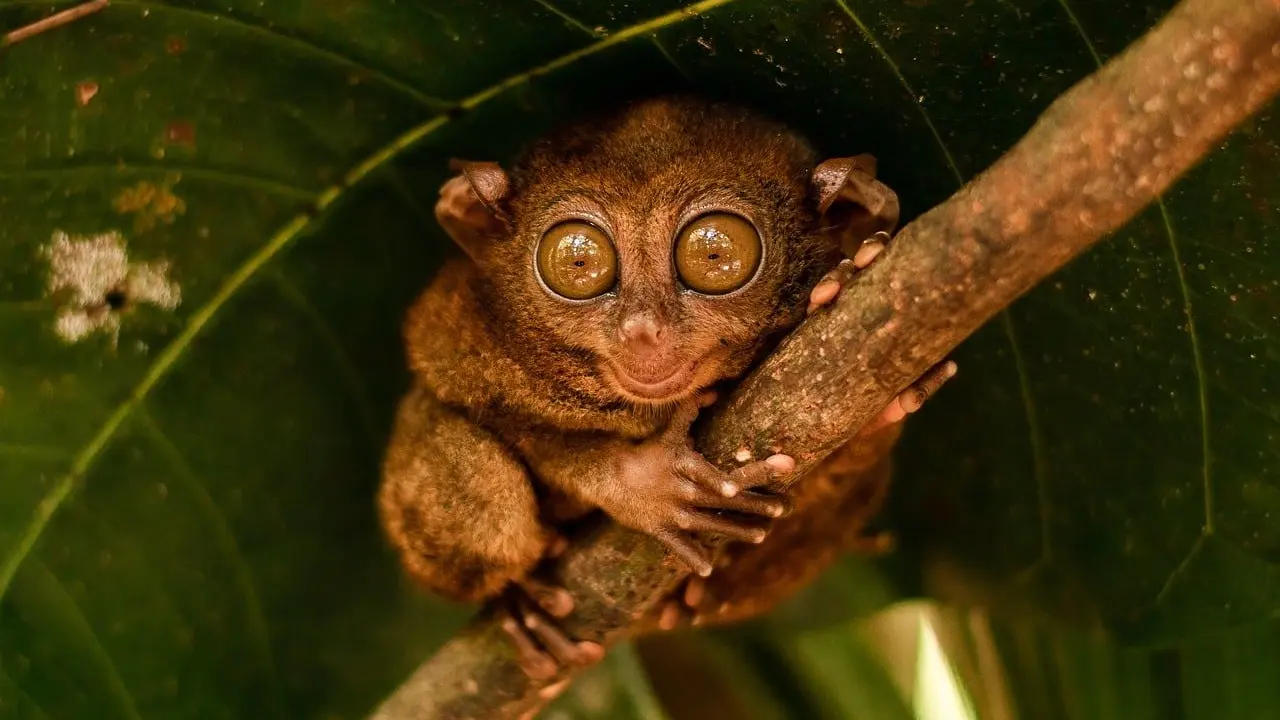
The Philippine tarsier is a tiny, big-eyed primate that is found on Bohol and a few other islands in the southeast of the archipelago. A Philstar feature describes the forests of Anda, Loboc and Corella as places where tourists come to see tarsiers in their habitat, and says the biggest concentration in the wild was found around Corella.
The sanctuary in Corella is the best-known place to watch them. According to the Philstar feature, the selected site lies in Corella, only 10 kilometers northeast of Tagbilaran City, the provincial capital. The Bohol Provincial Tourism Office’s visitor page places the eco-tour at Canapnapan, Corella, and notes that jeepneys, motorbikes, tricycles and rented vans can reach it.
The sanctuary is run by the Philippine Tarsier Foundation, a non-stock, non-profit organization. The Bohol Provincial Tourism Office states that the foundation was established in 1996, and that it set up the sanctuary so that tarsiers could live and reproduce freely in a natural setting. This guide has no connection with the foundation, the tourism office or any tour operator; it only summarises what published sources say.
What a sanctuary visit looks like
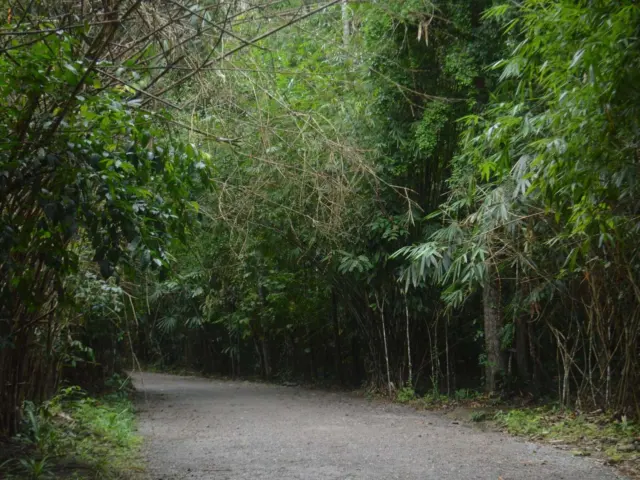
A visit at a forest sanctuary is built around the animal’s needs rather than the visitor’s. The tourism office’s page describes a briefing at the research building before the walk, a trek into real tarsier habitat, and a reminder to be extra quiet along the way. It also suggests asking questions after the tour and wearing non-slippery footwear, since forest paths can be wet.
Tarsiers are nocturnal, so what visitors usually find during the day is a small animal clinging to a low branch or the trunk of a slim tree. The tourism office adds that tarsiers are mildly awake in the daytime but remain mostly nocturnal, and that they sometimes sit very close to the path. That is why guides ask visitors to keep their distance even when an animal seems to be within reach.
Because the animals roam a forest rather than sit in an enclosure, a sighting is not a certainty. The point of the format is that the tarsiers are seen on their own terms, without anyone shaking branches or crowding a resting animal.
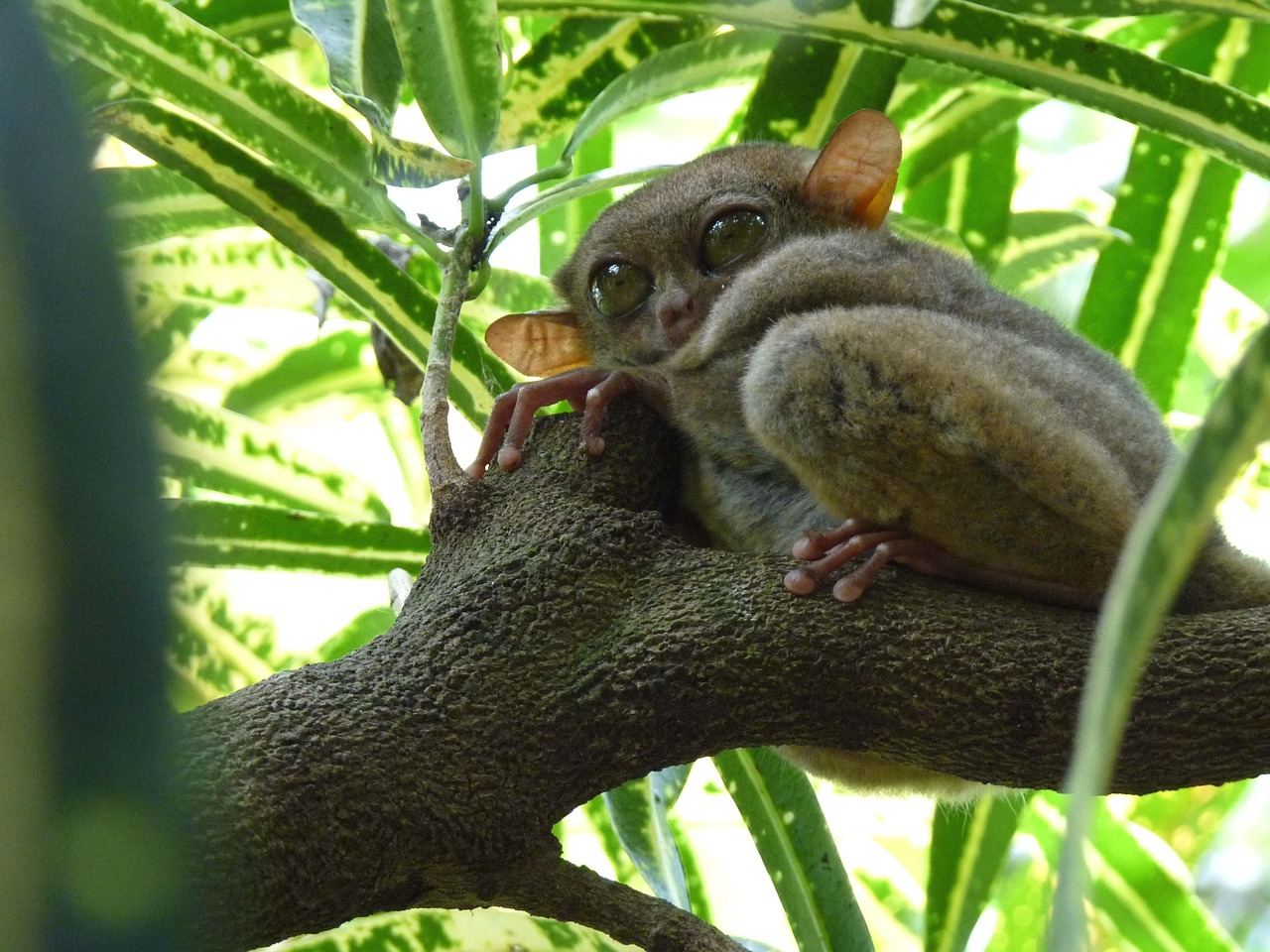
Tarsier etiquette: the rules that matter
The rules come down to a few habits, and they all follow from one fact: the tarsier is shy and easily stressed. An AFP report carried by Gulf News says the tarsier is nocturnal, lives in the forest, and is highly sensitive to daylight, noise and human contact.
- No touching. The Bohol Provincial Tourism Office states that tarsiers are not allowed to be touched, and the AFP report says visitors at the sanctuary may look but not touch.
- No flash. The same tourism office page says visitors can take pictures, except with the flash. Turn the flash off before entering, and turn off any torch or phone light aimed at the animal.
- Keep voices low. Noise is listed among the stressors, so conversation along the trail should stay quiet.
- Keep your distance. Do not reach toward an animal, do not lean in for a closer photo and do not shake the branch it sits on.
- Follow the guide. Stay on the marked path and move on when asked rather than lingering at one spot.
- Never feed or handle. Offering food or holding an animal for a photo is not part of any responsible visit.
The Philstar feature quotes the foundation’s field supervisor, Carlito Pizarras, warning that repeated handling puts a tarsier under enough stress that it can stop breathing.
Why roadside displays are a problem
Not every place that shows tarsiers works like the sanctuary in Corella. The AFP report contrasts the sanctuary with other tarsier attractions on the island, where tarsiers are kept for tourist viewing in thinly forested areas with light seeping through at a time when the animals should be asleep.
The provincial government has raised the same concern. In a Philstar report, the governor of Bohol is quoted as saying that the display of tarsiers in cages creates traumatic stress which can lead to death, and as asking the Department of Environment and Natural Resources to help stop the caging and display of tarsiers in different places in Bohol. The same article records his request that the foundation and the department co-manage the 167-hectare sanctuary in Corella as the main habitat for tarsiers.
The encyclopedia entry on the Philippine tarsier points the same way: it notes that private displays in Loboc tend to diminish the lives of tarsiers. A traveller choosing where to go can use that as a filter. A forest setting, a briefing and no-touch, no-flash rules point toward a responsible operation. Cages, hand-held animals and posed photos do not. Where the choice is open, the foundation’s forest sanctuary is the better-documented option compared with a roadside display.
Protection, law and conservation status
The tarsier has legal protection in the Philippines. The Bohol Provincial Tourism Office notes that tarsiers were declared specially protected faunal species of the Philippines by Proclamation No. 1030, issued by then-President Fidel V. Ramos on June 23, 1997, because tarsiers had previously been hunted, sold, kept as pets or killed. The Philstar feature adds that a DENR administrative order formally includes the tarsier among the national protected wildlife species.
That protection means people are prohibited by law from hunting, killing, wounding or taking arbitrary possession of the animal, and activities destructive to its habitat are banned too. The AFP report adds that people caught breaching the wildlife act can be fined or even jailed. Anyone who wants to keep a tarsier for educational or scientific reasons needs a certificate from the department.
On the IUCN Red List, the Philippine tarsier is listed as Near Threatened. Habitat loss from slash-and-burn farming and illegal logging, together with hunting for the pet trade, are named as the reasons the animal has been disappearing from forests in Bohol and elsewhere. For a visitor, the practical lesson is to choose settings that protect the forest and the animal rather than ones that put it on display.
Planning a day around the tarsiers
The Corella sanctuary can be paired with other stops on the island. A trip along the river on a Loboc river cruise is one option, though it is worth remembering that Loboc is also named in published accounts as a place where tarsiers have been displayed privately, so the sanctuary remains the better choice for the tarsier itself.
For wildlife of a different kind, Balicasag Island offers a marine sanctuary rather than a forest one, a different kind of wildlife visit with its own guide.
Opening hours and entrance fees change, and this guide quotes none. Confirm current details directly with the Philippine Tarsier Foundation or the Bohol Provincial Tourism Office before setting out, and treat any figure on a third-party page as unconfirmed until then.
Frequently asked questions
Can visitors touch or hold a tarsier in Bohol?
No. The Bohol Provincial Tourism Office says tarsiers are not allowed to be touched at the sanctuary, and published reports describe handling as a source of serious stress for the animal.
Is flash photography allowed?
No. The tourism office’s page allows pictures but not the flash, because tarsiers are nocturnal animals with very sensitive eyes.
Which tarsier sanctuary in Bohol is the best known?
The sanctuary at Corella, run by the Philippine Tarsier Foundation, is the best-known forest setting where tarsiers can be seen without cages.
Are tarsiers an endangered species?
The IUCN Red List currently lists the Philippine tarsier as Near Threatened. It is also a specially protected species under Philippine law.
Is it better to see tarsiers at a sanctuary or at a roadside display?
Reports on Bohol tarsier tourism favour the forest sanctuary, since caged or displayed tarsiers face stress that can lead to death, according to the provincial governor quoted in the Philstar report.