Pamilacan Island is a small island barangay of Baclayon, Bohol, where former whale and dolphin hunters now work in marine wildlife watching, snorkelling and fishing. Government guidance sets how close boats may go to the animals.
This page is an independent guide. It is not run by any tour operator, boat association or government office, and it takes no bookings. It sits inside the wider set of things to do in Bohol, so it concentrates on the island’s history, the rules for watching cetaceans and what a trip involves.
Where Pamilacan Island sits and who lives there
Pamilacan is an island barangay of the municipality of Baclayon. Wikipedia’s entry on Pamilacan places it 12.5 kilometres south of Bohol island, surrounded by the Bohol Sea, which is also called the Mindanao Sea. PhilAtlas, which republishes Philippine Statistics Authority data, lists a population of 1,524 in the 2020 census. A report by VERA Files dated October 20, 2026 gives 1,426 residents in the 2024 census, down from the 2020 figure.
The name is usually traced to hunting. The same Wikipedia entry says Pamilacan “perhaps means ‘resting place of the mantas’” but can also be linked to the word pamilac, meaning harpoon, the tool once used to catch mantas, dolphins and whales. On the northeast side stands a Spanish-era watchtower that the National Museum of the Philippines declared a National Cultural Treasure as part of the group known as the Bohol Watchtowers.
From whale hunting to whale watching
VERA Files reported on October 20, 2026 that Pamilacan residents depended on the sea for generations and that the island became known for hunting whales, dolphins, whale sharks and manta rays. The same report says historical studies documented approximately 240 fishers involved in the whale-shark fishery, a measure of how central marine wildlife was to the local economy.
National protection arrived in stages. A GMA News feature published April 6, 2012 states that the Philippines has banned the catching, selling or transporting of dolphins and whales since 1992 through Fisheries Administrative Order 185. The feature describes the idea of converting whale hunters into whale watchers as the proposed answer for island families who lost a livelihood.
VERA Files describes the next step: during the 1990s and early 2000s, community-based dolphin and whale watching emerged, and former hunters became boat operators, guides and spotters. The report adds that between April 2003 and April 2004 a community tour program recorded 196 dolphin-watching trips, compared with 80 before the program began.
The story is not a simple success. The 2012 GMA News feature said the watching industry was barely surviving, and it noted that tourism businesses are seasonal because very few visitors come when the seas are rough. The 2026 VERA Files report likewise describes uneven benefits: households that own motorboats or suitable houses can enter tourism more easily than those without capital, and fishing remains a safety net when tourism assignments are irregular.
Rules for watching dolphins and whales
The main national instrument is a joint order of the Department of Agriculture and the Department of Tourism. The Supreme Court E-Library copy of the joint administrative order dated April 27, 2004 sets the conduct expected of boat operators and passengers. The Bohol Provincial Tourism Office publishes a plain-language version on its dolphin and whale watching guidelines page. The table below summarises the distances and limits in the national order.
| Situation | Distance or limit in the order |
|---|---|
| Vessel to any whale | No closer than 100 meters |
| Observation distance for other cetaceans such as dolphins | 50 meters recommended |
| Whale with a calf or calves | No approach within 200 meters |
| Additional vessel when two or more are already watching | No approach within 300 meters |
| Anchoring near a cetacean | Not within 300 meters |
| Continuous pursuit by a vessel under power | No more than 20 minutes |
Table data comes from the joint administrative order text in the Supreme Court E-Library, issued April 27, 2004.
Several rules matter more to visitors than the distances. The order says vessel operators must not touch or feed cetaceans, must not play recorded sound underwater, and must not allow any person on board to swim with whales and dolphins. It also tells operators to abandon contact when an animal shows signs of disturbance, such as rapid changes in direction or a female trying to shield a calf. The provincial page repeats the point in short form: do not swim with, touch or feed whales and dolphins.
A sighting is never guaranteed. VERA Files quotes a Bohol heritage network as saying responsible operators must recognise that wildlife sightings cannot be guaranteed, and that guides should not be pressured into chasing animals to satisfy customers.
What Bohol’s 2026 marine wildlife ordinance adds
Provincial rules are tightening. Bohol Island News reported on February 27, 2026 that the Sangguniang Panlalawigan approved a new marine wildlife interaction ordinance on third and final reading. According to that report, the measure sets a “No Approach, No Interaction” policy and creates zones for interaction and waiting. It prohibits feeding, baiting, chasing, touching and surrounding marine wildlife, and bans flash photography, underwater drones, jet skis and anchoring within interaction areas.
The same Bohol Island News report says in-water interaction with dolphins and whales is strictly prohibited, that vessels must keep at least 50 to 100 meters away depending on the species, and that each boat is limited to a maximum of 10 persons including crew. Because ordinances can be amended and implementing rules are issued separately, travellers should treat the report as a snapshot dated February 27, 2026 and confirm current requirements through the Bohol Provincial Tourism Office before travelling.
For visitors, the practical effect is simple. A responsible trip has boats that hold back, no swimming with the animals, no food thrown in the water and no camera flash.
The reef, the sanctuary and snorkelling
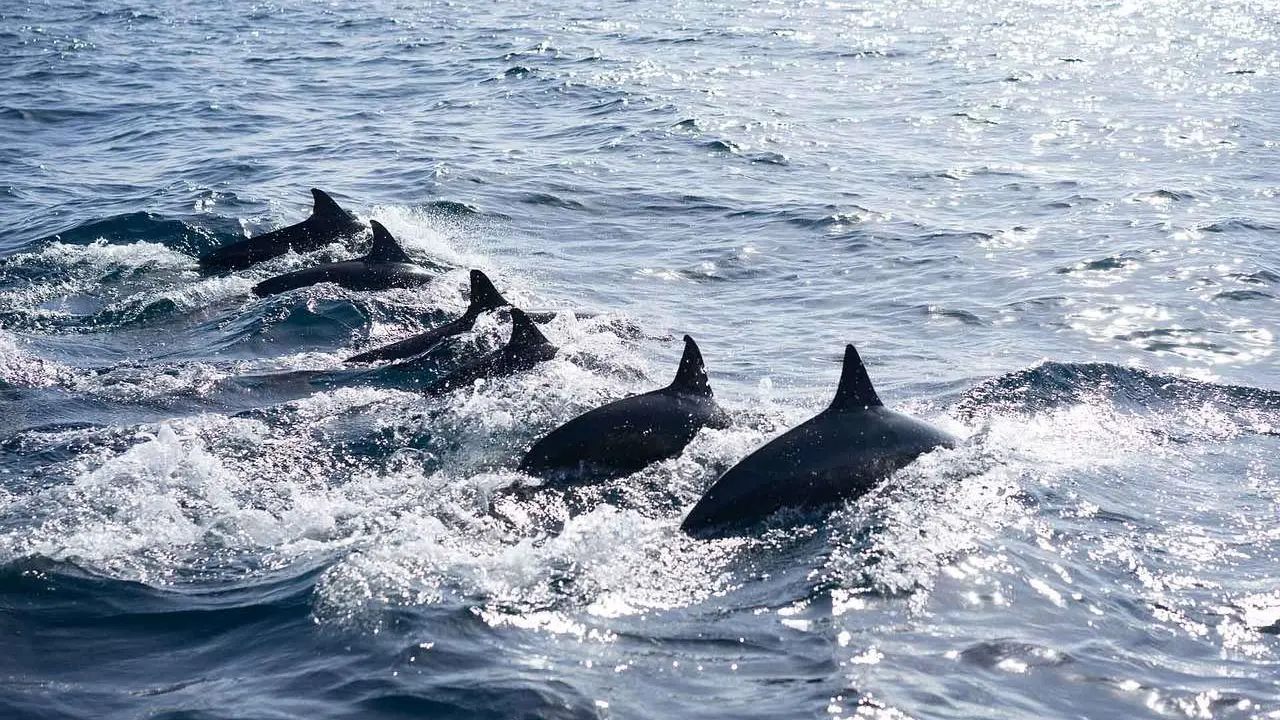
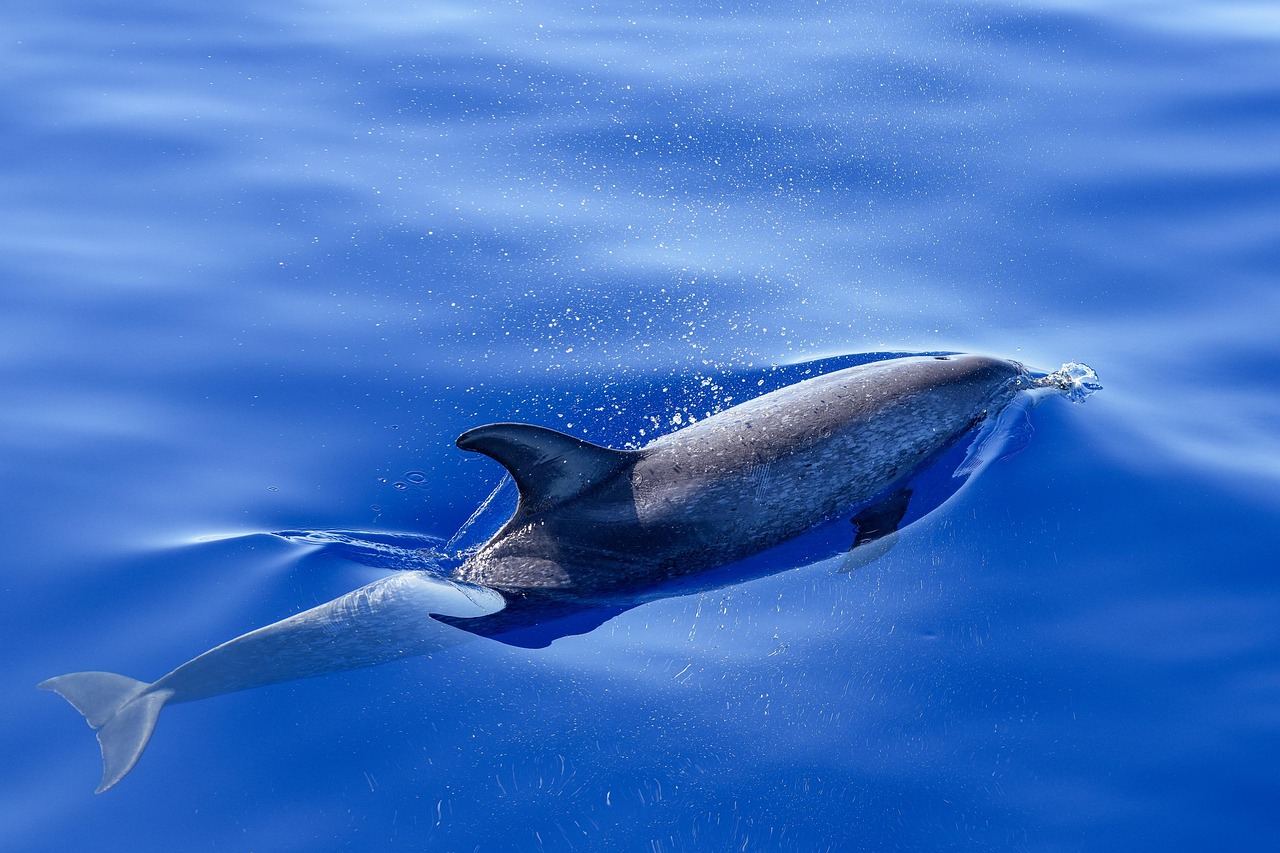
Dolphins and whales are only part of what surrounds the island. VERA Files reports that community-led marine protection began in 1985, followed by sanctuary enforcement in 1986, and that waters around the island support coral reefs, seagrass beds, marine turtles and rays. The Marine Mammal Habitat information resource cited in the report identifies Bryde’s whales, sperm whales, pilot whales, spinner dolphins and bottlenose dolphins among the cetaceans in the surrounding waters.
The same VERA Files report cites a Baclayon assessment from 2026 that recorded 22.21% live hard-coral cover in the sanctuary, and it adds that improved measurements do not mean complete ecosystem recovery. It also says a 2025 Baclayon municipal ordinance identifies snorkeling areas and requires visitor briefings on marine conservation, responsible snorkeling and coral reef ecology. Snorkeling fees, the report notes, contribute to local and municipal funds.
The report also lists excessive boat traffic, careless anchoring, wildlife harassment, waste and overcrowding as threats to the ecosystems that attract visitors.
Planning a visit and travelling responsibly
The island is reached by boat. Sea conditions control whether boats go out, and the 2012 GMA News feature already linked tourist numbers to rough-sea months, so plans should stay flexible.
VERA Files notes that many visitors come only for day trips, which limits spending on accommodation, food and other local services, and that freshwater has to be purchased from mainland Baclayon. The report ties longer stays, reliable water and sanitation to a more stable island economy, so overnight visits spread the benefit more widely than a single morning boat trip.
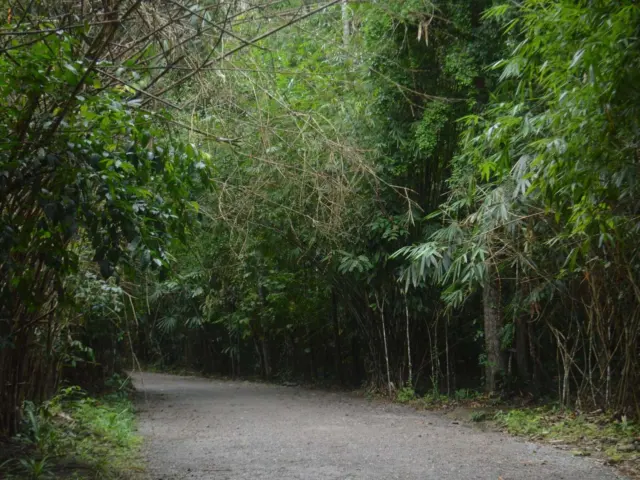
Travellers who want a land-based day on the same trip can read about the chocolate hills in the centre of the island, or the shaded road corridor covered in the guide to the bilar man made forest.
Whoever arranges the boat, a few habits apply to every trip:
- Choose operators that follow the distances and time limits in the national order.
- Do not ask a crew to get closer, to chase an animal or to let swimmers in the water with dolphins or whales.
- Switch off camera flash and keep drones on the ground.
- Follow the briefing given before snorkelling and keep away from the reef floor.
Frequently asked questions
Where is Pamilacan Island?
It is an island barangay of Baclayon municipality in Bohol, 12.5 kilometres south of the main island according to Wikipedia’s entry on Pamilacan.
Can visitors swim with dolphins or whales there?
No. The national joint order says vessel operators must not allow anyone on board to swim with whales and dolphins, and the February 27, 2026 Bohol Island News report says in-water interaction with cetaceans is strictly prohibited under the new provincial ordinance.
How close may a boat go to a whale?
The joint administrative order dated April 27, 2004 says a vessel must not approach within less than 100 meters of any whale, and it sets a wider limit of 200 meters when a calf is present.
Did Pamilacan residents really hunt whales?
Yes, according to VERA Files in a report dated October 20, 2026, the island became known for hunting whales, dolphins, whale sharks and manta rays before community-based watching developed.
Is a sighting guaranteed?
No. Wildlife moves freely, and the Bohol heritage network quoted by VERA Files says sightings cannot be guaranteed and that animals must not be chased.