An Abatan River firefly tour is an after-dark boat or kayak outing on the Abatan River estuary in western Bohol, where fireflies gather in the mangrove trees along the water.
The estuary sits at the river mouth in Cortes. This page covers the habitat, how outings have been described, and the etiquette that protects the insects, and it sits within the wider list of things to do in Bohol.
Where the Abatan River fireflies live
The Abatan River is a river in western Bohol. Wikipedia’s entry on the river says it winds through the towns of Catigbian, Antequera, Balilihan and Maribojoc to its mouth at Cortes. The same entry explains that the name comes from the word abad, which means to meet or to converge, a fitting description for a river that gathers the water of several inland towns before it reaches the sea.
Before roads linked the interior of the island, the river had a practical job. The entry notes that the river served as a waterway for the people going to and from the interior towns, so the stretch described in accounts of evening outings was once a working transport route.
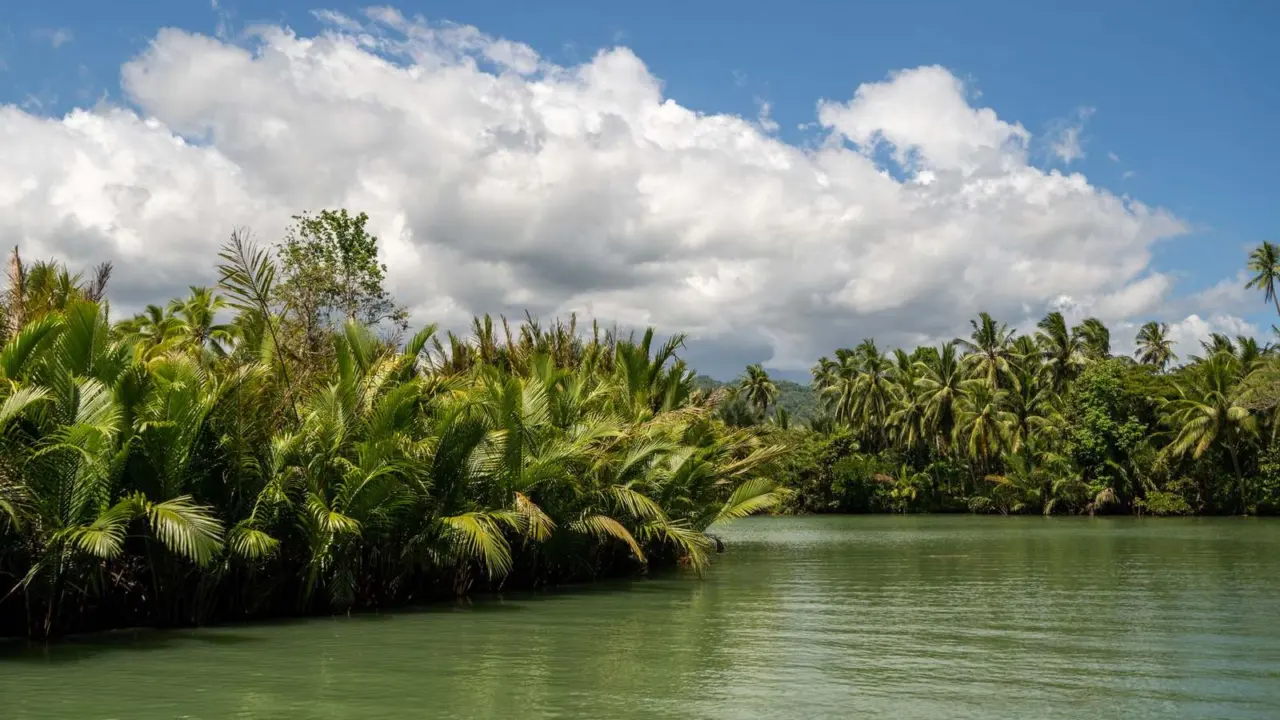
At its mouth the river opens into an estuary of mixed mangrove and nipa swamp. According to Wikipedia, that estuary covers about 1,000 acres and has 32 mangrove species growing in it, which makes it one of the more diverse mangrove forests in the Philippines. Mangrove trees are what give a firefly outing its setting: the insects are seen against the dark silhouettes of the trunks and branches that line the channels.
The fireflies themselves are part of the river’s recorded wildlife. The river basin is home to 8 species of fireflies, as Wikipedia puts it, including Pteroptyx macdermotti, which the entry calls very rare and endemic to the Philippines. The conservation group Seacology describes the same gathering of fireflies along the river in its project page, and presents the estuary as a good place for wildlife conservation and ecotourism.
How firefly outings on the river have been described
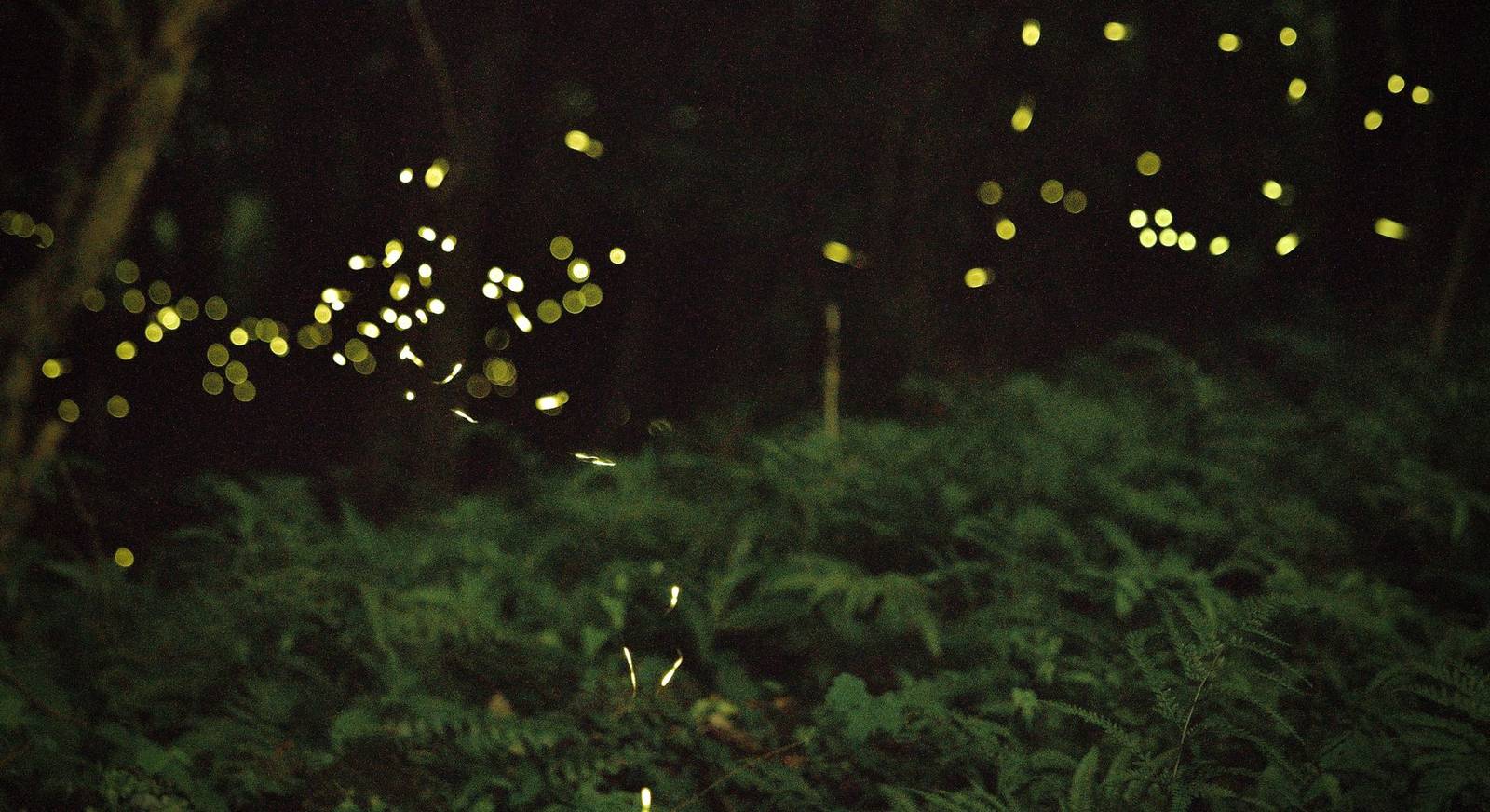
Travel writing about the river tends to describe the same basic experience. In a post dated December 15, 2025, the travel blog Proud Bisaya Bai wrote that as dusk settles, guided boat or kayak tours navigate the quiet mangrove channels. The post described the fireflies gathering in the trees and creating a synchronized, twinkling spectacle, and it listed Pteroptyx macdermotti as the main species.
The same post framed the outing as more than a light show. It said guides educate guests on the critical role of mangroves in coastal protection and biodiversity, which matches the way the river’s conservation groups present the estuary. The post used the name Maribojoc Mangrove Firefly Watching for the experience, so listings for the same river may appear under either the Cortes or the Maribojoc name.
The encyclopaedia entry on the river, whose page shows a last edit in August 2026, adds some background on the daytime side of the river. It describes river cruises from the Abatan River Visitor Center in Cortes to various communities upstream, and it adds that kayak exploration and stand-up paddle boarding are also available. Those descriptions were written for the river in general and do not name a specific operator.
The two main formats differ in feel. A boat outing asks little physical effort from passengers and suits groups with mixed ages, while a kayak outing asks for paddling in the dark and suits visitors who are comfortable on the water. Either way, the guide on board decides the route, the pace and where the group stops, so instructions from the guide take priority over anything printed on a web page.
Schedules, departure points, operators and fees change from season to season, and online listings can lag behind. No specific operator is described here as running today. Before building a plan around any outing, confirm current arrangements with the municipal tourism office or with the Bohol Provincial Tourism Office, which publishes tourism information for the province.
Mangroves, wildlife and conservation around the river
The mangroves around the Abatan River are valued for more than their scenery. Wikipedia reports that the mangrove species Camptostemon philippinense, known locally as Gapas-gapas, is globally endangered and the rarest mangrove species in the Philippines. The same entry states that the river basin holds 273 plant species and 67 species of wild animals, a count that puts the firefly colonies inside a much larger web of life.
Researchers have also found surprises in the river itself. A new species of rock-eating shipworm, Lithoredo abatanicus, was identified in the river in June 2019, according to the same encyclopaedia entry. The discovery is a reminder that the river system is still being studied, which is one more reason visitors are asked to leave the habitat as they found it.
Tourism on the river has also had to recover from disaster. The Wikipedia entry says the visitor center suffered severe damage from the 2013 Bohol earthquake, and Seacology’s project page says its grant would fund repair of the docks and amphitheater at the village center so that local tours and craft sales could resume. The project page lists the approval date as 02.2016 and describes protection of the Abatan River and the mangroves along Maribojoc Bay for 10 years, with the Abatan River Development Management Council pledging to protect the mangroves.
These details matter to a visitor because the outing depends on a healthy estuary. Fireflies need the trees, the dark and the quiet that the mangrove channels provide, and each of those can be lost through careless behaviour as easily as through development.
Firefly watching etiquette from published guidance
Firefly watching has a recognised set of manners, and the guidance below comes from conservation and park agencies in other countries. The principles are general to firefly sites, so they apply on the Abatan River as well, and any rules set by a local guide come on top of them.
- Keep lights off the insects. Hong Kong’s Agriculture, Fisheries and Conservation Department advises visitors to not use a torch or other strong light to shine on fireflies or use a flashlight when taking photographs, because it may affect the defence and courtship behaviours of fireflies.
- Turn the camera flash off. The Proud Bisaya Bai post on the river advised visitors to wear dark clothing and refrain from using flash photography. New Taipei City’s agriculture bureau gives the same photography advice, noting that to capture fireflies in motion you need to turn off the flash.
- Do not catch them. The US National Park Service tells visitors to its firefly sites: Don’t catch fireflies.
- Keep quiet. The Hong Kong department asks visitors to keep quiet when observing fireflies to avoid disturbing wildlife and nearby villagers, and the Taiwan agriculture bureau adds that noise disrupts courtship and other behaviours.
On a boat, these habits are easy to follow: switch phones to silent, dim or turn off screens, put cameras on a setting that does not fire a flash, and keep hands and paddles away from the mangrove roots and branches where the insects rest. A guide who suggests shining a light at the trees to make the insects appear is asking visitors to do the opposite of what the published guidance recommends.
Planning an evening on the Abatan River
This page is an independent travel guide. It is not run by a tour operator, a community group, a resort or any tourism office, it takes no bookings and it quotes no prices. The notes below are planning prompts, not a schedule.
- Confirm with the municipal or provincial tourism office which operators currently run evening outings, where they depart and what the rules are.
- Ask whether the outing is by boat or by kayak, and choose the format that fits the group.
- Wear dark clothing, as the December 2025 blog post advised, and leave bright or reflective items behind.
- Agree on the light and camera rules before departure, so that everyone in the group knows that torches stay off the trees and flash stays off.
- Treat the river as a living habitat: carry out all litter and leave plants, roots and insects where they are.
Because the outing happens after dark, the hours before nightfall are free for daytime stops. The bilar man made forest is covered on its own page for a drive through the island’s interior, while alona beach has its own page for a day on the Panglao coast. Both are separate trips with their own transport needs, so plan the return to the river with the evening departure in mind.
Frequently asked questions
Where do the Abatan River fireflies gather?
The fireflies are associated with the mangrove and nipa estuary near the river mouth in Cortes, in western Bohol, and with the mangrove channels along the river around Maribojoc.
Which firefly species is linked to the river?
Wikipedia names Pteroptyx macdermotti among the firefly species of the river and describes it as very rare and endemic to the Philippines.
Can visitors use a torch or camera flash?
Published firefly-watching guidance says no. Conservation agencies advise against shining torches at the insects or using flash photography, because light interferes with courtship behaviour.
Is an Abatan River firefly tour running right now?
This page cannot confirm that any specific outing operates today. Sources describe past and general arrangements, so current operators, hours and conditions should be confirmed with the municipal or provincial tourism office.